


How to Lock Browser Chrome, Edge, Firefox with Password
 26.5K
26.5K
 3
3


Locking a browser can prevent others from viewing your bookmarks, browsing history, saved passwords, etc. However, popular browsers like Chrome, Safari, Edge, Firefox, Brave, and Opera do not provide a built-in option to lock the entire browser.
On a computer, you can use a browser lock app or extension to password-protect your browser. On a phone, you can also use the device’s built-in feature. This guide shows you easy ways to lock browsers with password.
 Cisdem AppCrypt
Lock Browser Apps with Password
- Lock individual apps with password, including browser apps
- Offer an option to automatically re-lock apps after a period of inactivity
- Record failed attempts to open locked apps
- Block specific websites or categories of sites on web browsers
- Set schedules to lock apps and websites permanently or at certain times
- Allows you to block all websites except a few
- Requires password to enter/quit/uninstall AppCrypt
- Easy to use and hard to bypass
- Help with privacy protection, productivity and parental controls
- Available for Windows, Mac, Android, iPhone and iPad


Part 1:How to lock browser on computer
If you want to set password for your browser on computer, you have 2 options: use a browser lock app like Cisdem AppCrypt or install a browser lock extension.
A browser lock app offers stronger protection, while a browser lock extension is quicker to set up but easier to bypass.
Not sure which one to choose? Here is a quick comparison.
Browser lock app vs Browser lock extension
|
Browser lock app (Cisdem AppCrypt) |
Browser lock extension (Browser Lock) | |
|---|---|---|
| Best for | Strong privacy protection for one or more browsers | Quick and basic protection for one browser |
| Works on | All browsers | Only Chrome, Opera, or Edge |
| Bypass resistance | High - changing settings, quitting, or uninstalling AppCrypt requires the password | Low - the extension may be disabled or removed |
| Extra features | Launch at system startup, record failed attempts, schedule the lock, block websites | Clear browser history automatically |
Method 1: Use Cisdem AppCrypt
Cisdem AppCrypt is an easy-to-use browser lock app. It allows you to lock Chrome, Edge, Firefox, Safari, Opera, and other browsers with password, preventing unauthorized users.
With AppCrypt, you can:
- Lock one or multiple browsers with password on your computer.
- Automatically re-lock browsers after a period of inactivity.
- Launch AppCrypt at system startup to keep browsers protected at all times.
- Record failed attempts to open locked browsers.
- Require the password to change settings, quit, or uninstall AppCrypt.
- Block specific websites or website categories on your browser.
Follow the steps below to lock browsers with AppCrypt on Windows or Mac:
1. Download this browser lock app and install it.
 Free Download Windows 11/10/8/7
  Free Download macOS 10.15 or later
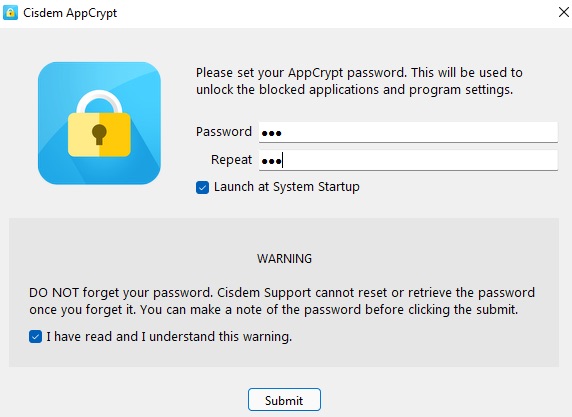
2. Set a password when you first launch it.
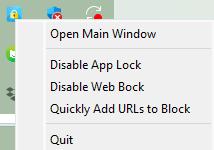
3. Click the lock icon on your Windows task bar/Mac menu bar. Choose Open Main Window.
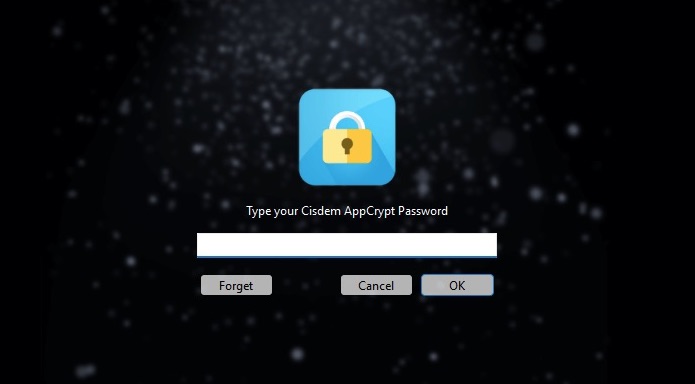
4. Enter the password to access the main window.
5. Click App Lock in the upper left corner. Click the Plus icon. Select the browser app you want to lock. Click Open.
(Note: On a Mac, find the browser app from the Applications folder and click Open.
On Windows, directly drag and drop the app’s shortcut icon into the program. If you’re unsure how, check this tip.)
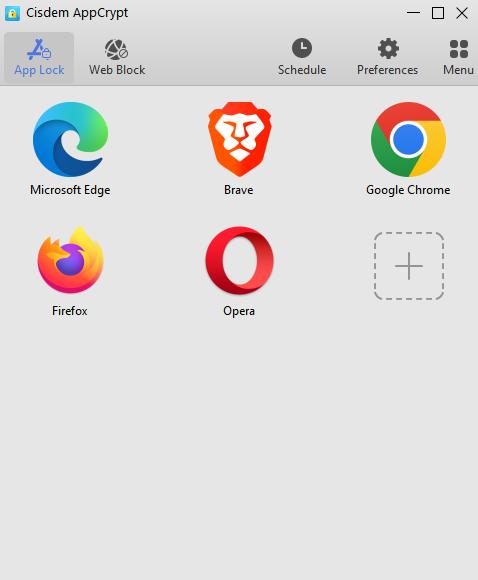
Now the browsers are locked with password on your computer.
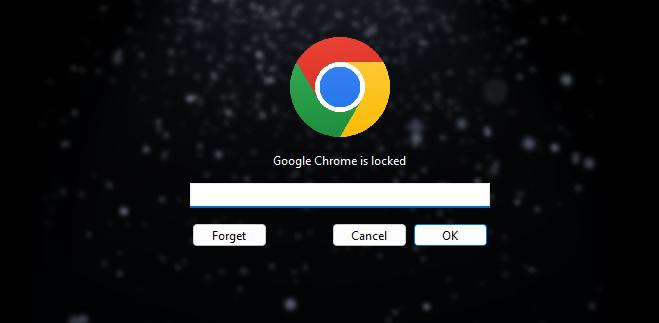
Tip 1: How to make the browser lock app more effective?
After adding browsers to the App Lock list, go to Preferences and enable Launch at system startup. This allows AppCrypt to start automatically whenever your computer starts, keeping the selected browsers protected.
You can also set the auto-lock time in the App Lock section. If an locked browser remains inactive for a period of time, AppCrypt will automatically lock it again.
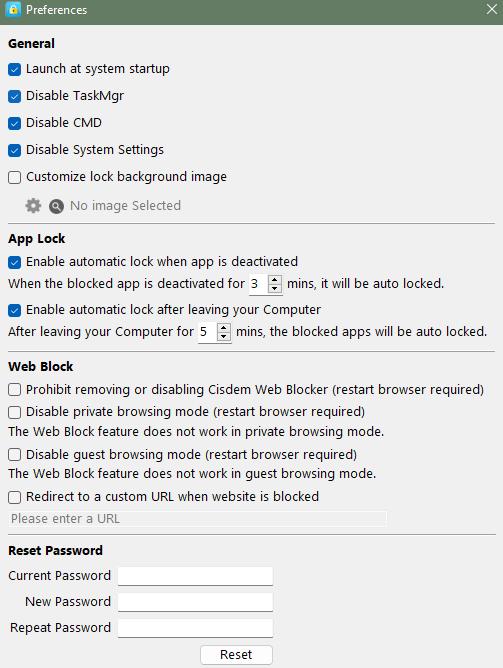
Tip 2: How to find the browser app’s shortcut icon?
You can lock a browser by dragging and dropping its desktop shortcut into the program.
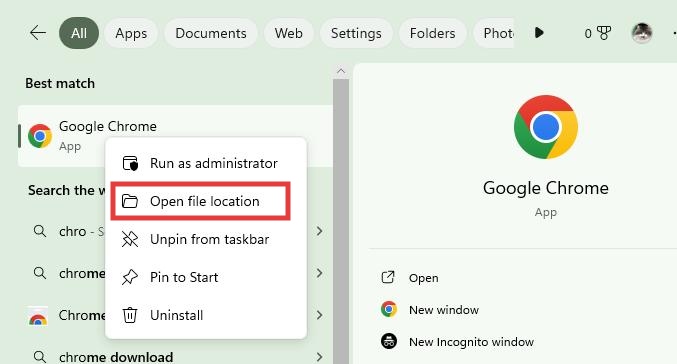
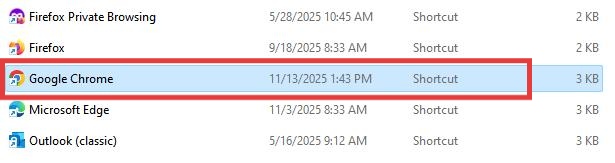
If their is no desktop shortcut, search for the app in the Start menu. Right-click it and select “Open file location”. A File Explorer window will appear, showing the app’s shortcut file. Just drag it to the App Lock tab.
Method 2: Use Browser Lock extension
A browser lock extension is a simple way to set password for your browser. It is easy to install and does not require an additional app. However, it provides only basic protection and has some limitations, such as being easy to bypass, only locking specific browsers, and possibly not working in Incognito mode.
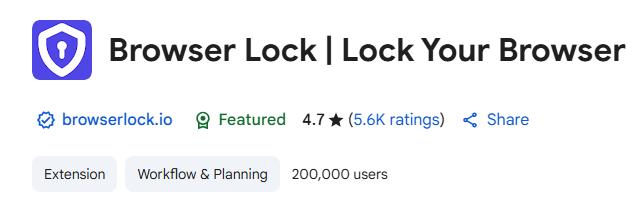
Browser Lock by browserlock.io is a free extension that supports Chrome, Edge, and Opera. With this extension, you can:
- Lock your browser Chrome, Opera, and Edge with a password for free.
- Set up password protection in just a few clicks.
- Quickly lock your browser using the right-click menu or keyboard shortcuts.
- Automatically lock the browser after a period of inactivity.
The following steps show you how to lock Chrome with Browser Lock:
1. Open your Chrome browser. Install Browser Lock from the Chrome Web Store (chromewebstore.google.com).
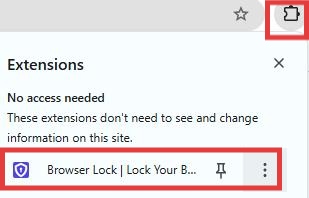
2. Click the Extensions icon in the top-right corner of Chrome. Select Browser Lock from the list.
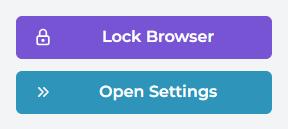
3. Click Open Settings > Start Now.
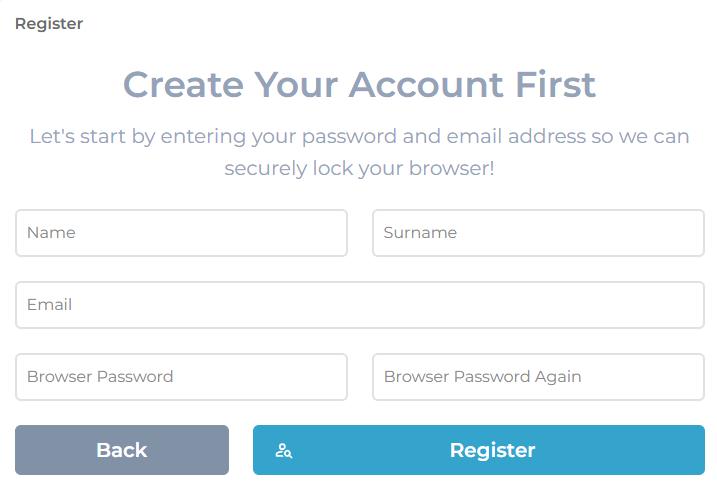
4. Create your account and set a browser password in the next window. Click Register.
5. Close the window. Your Chrome browser is now locked. You’ll need to enter the password to access it next time.
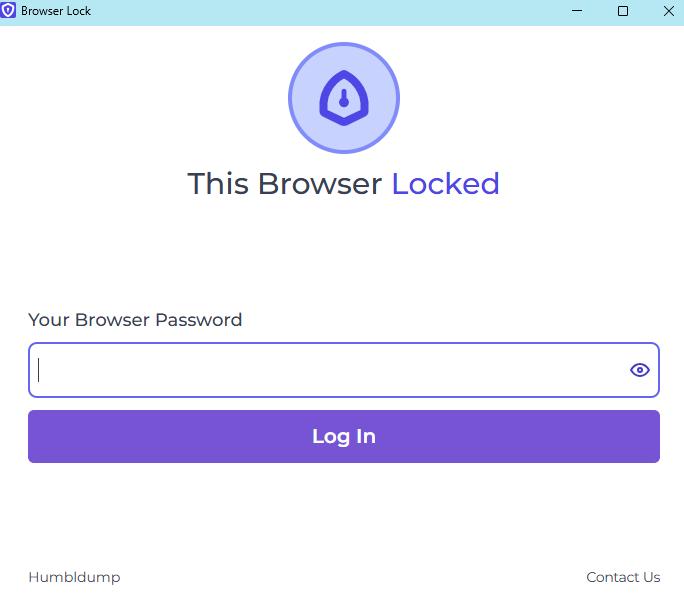
Note: Browser lock extensions can be easily bypassed by deleting the extension files. For example, on a Windows PC, you can open File Explorer and go to: C:\Users\Administrator\AppData\Local\Google\Chrome\User Data\Default\Extensions. Then you'll see the extension files on Chrome. Simply select them and press the Delete key. The extension will be removed from Chrome and the browser lock will no longer work.
Tip: How to make the browser lock extension more effective?
In the Settings window, you can enable more features to make your browser lock more effective.
- Deep Security: Lock the browser login for one minutes after five wrong login attempts.
- Clear History: Clear browser history automatically after five wrong login attempts.
- Idle Mode: Automatically lock the browser when you’re inactive.
Part 2: How to lock browser on phone
Locking a browser on a phone is also very simple. You can use a third-party app locker to set password for your browser. Or use the built-in app lock feature on your phone.
Method 1: Use Cisdem AppCrypt
Cisdem AppCrypt is also available for Android and iPhone. It lets you lock Chrome, Safari, Firefox, and other browser apps to prevent unauthorized access. Since the steps differ slightly between Android and iPhone, I’ll show you how to do it on each device separately.
Steps on Android
1. Install AppCrypt from Google Play.

2. Open AppCrypt and set a 4- or 6-digit PIN or a pattern.
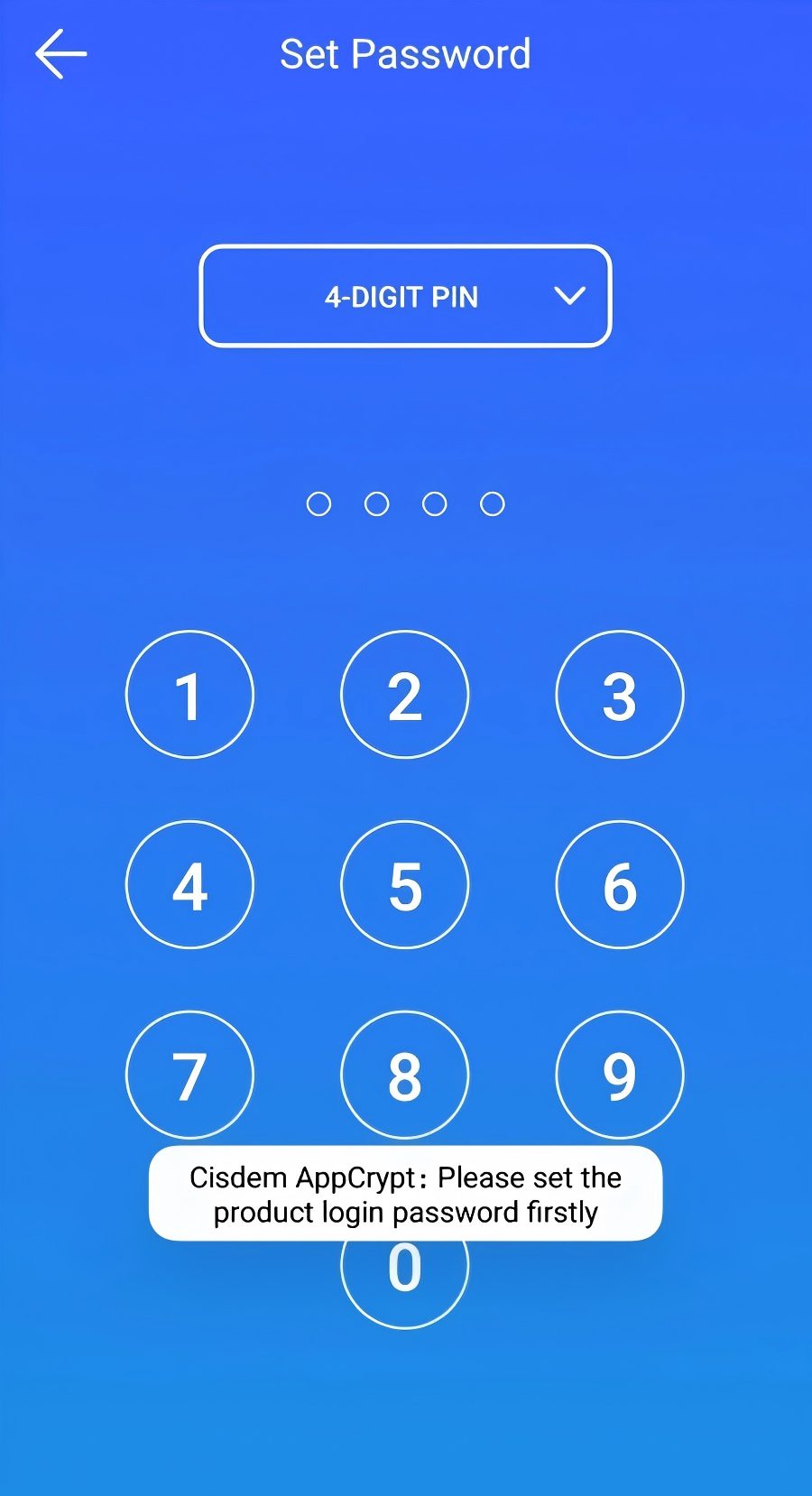
3. Go to the App Lock tab, find the browser that you want to lock in the Unlocked App list. You can use the search box to find it quickly.
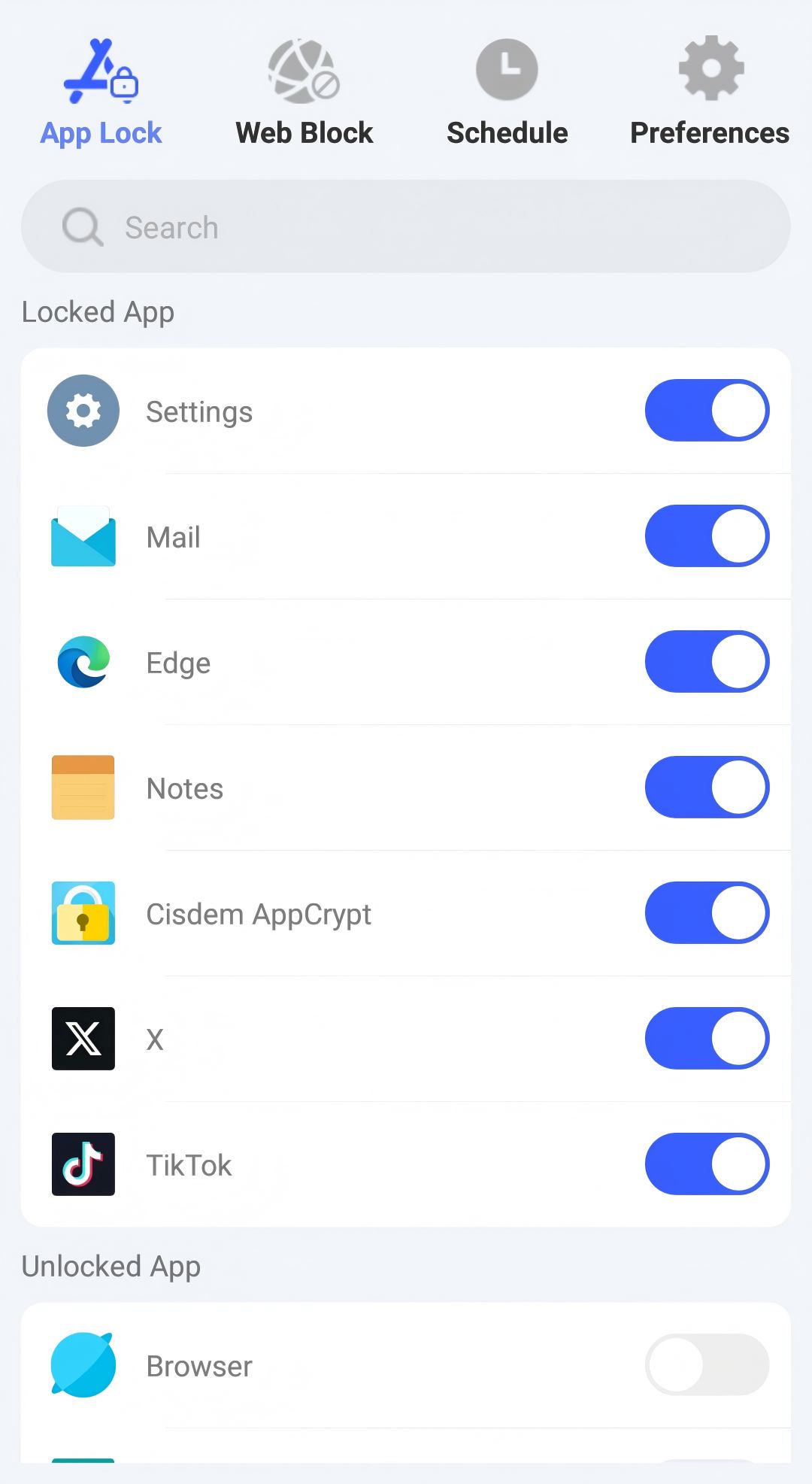
4. Turn on the switch next to the browser.
Now the browser is locked on your phone.
Steps on iPhone
AppCrypt supports iPhones running iOS 16 or later.
1. Download and install AppCrypt from the App Store.

2. Open it. Click App Lock. Click Add/Remove.
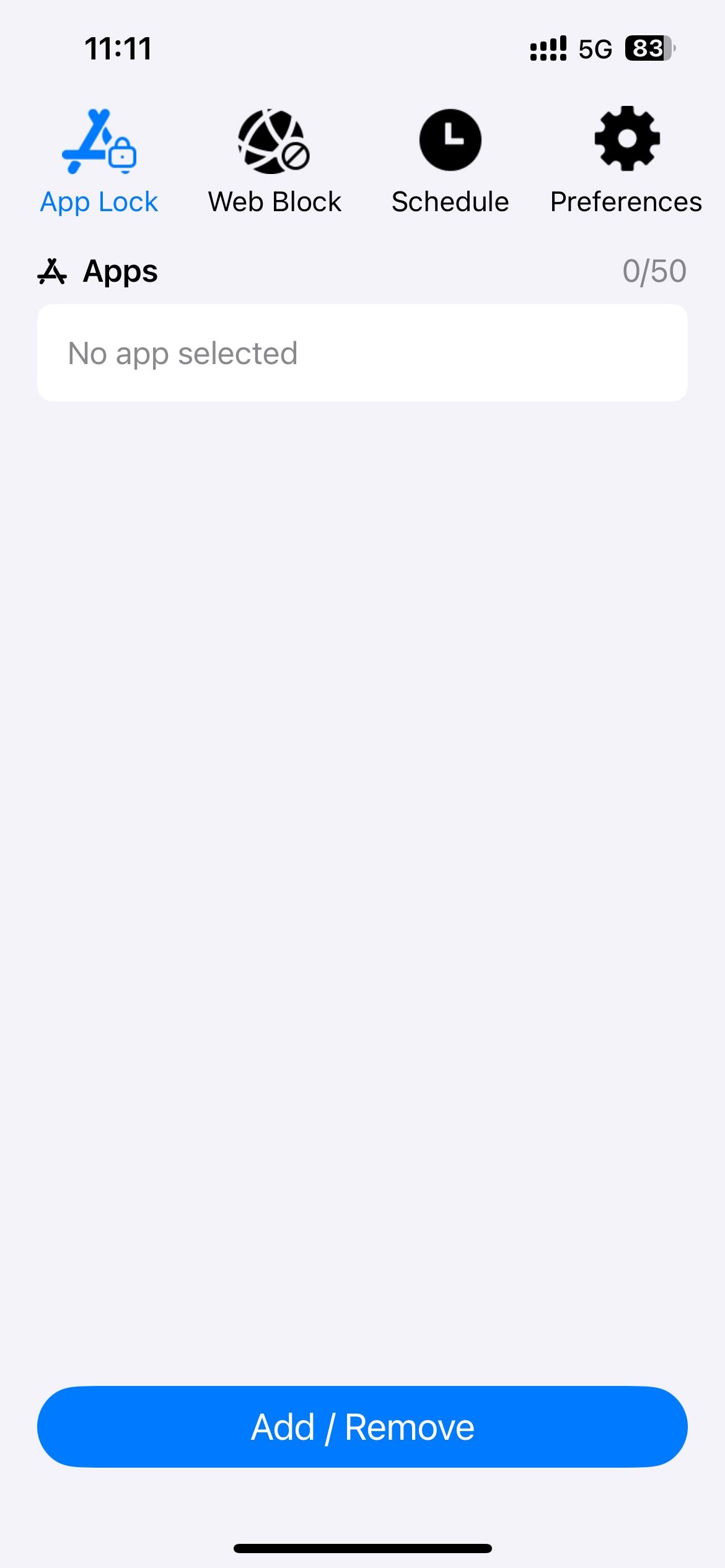
3. Search for the browser apps you want to lock on your iPhone. Select them. Click Done.
Now browser apps are locked on your iPhone.
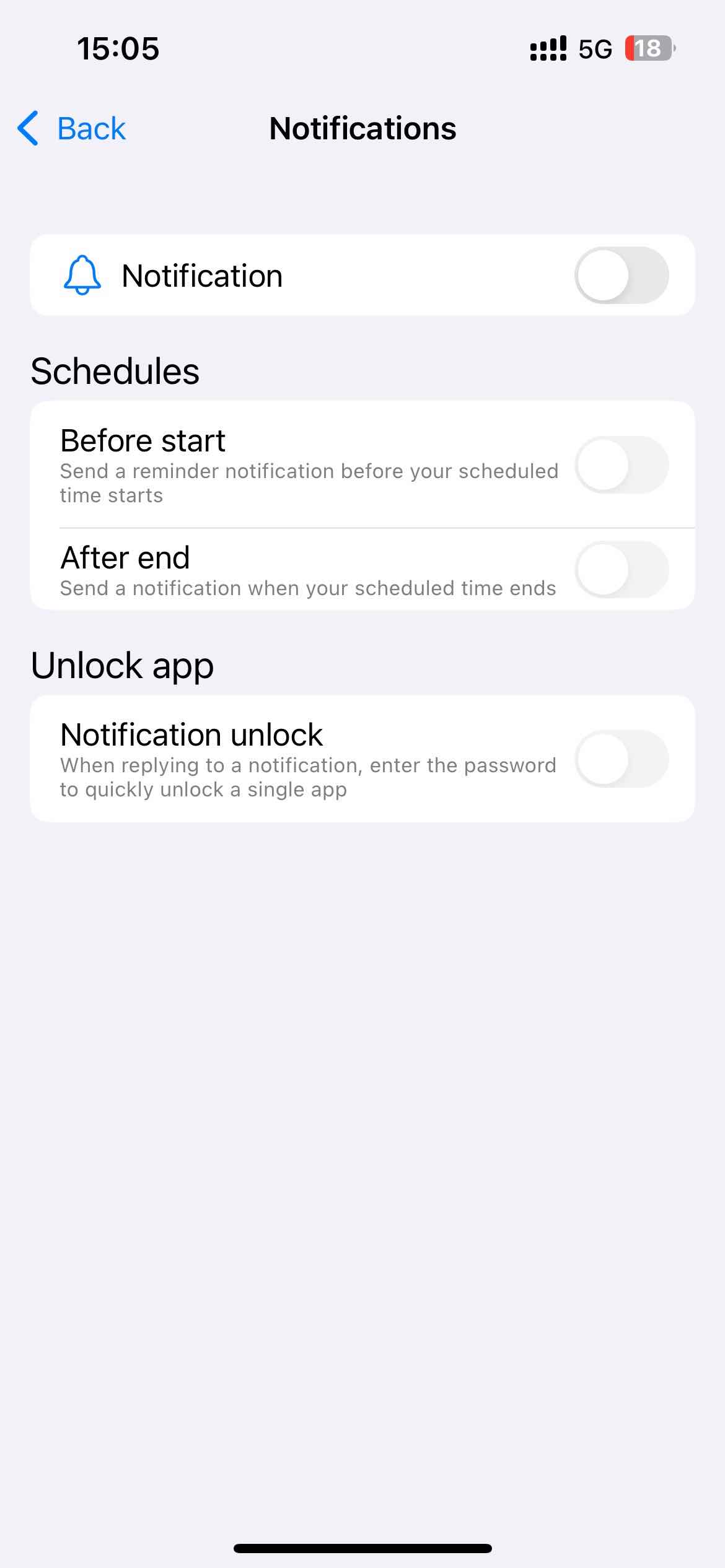
4. To protect your AppCrypt settings, go to Preferences > Notification. Turn on Notification and Notification Unlock.
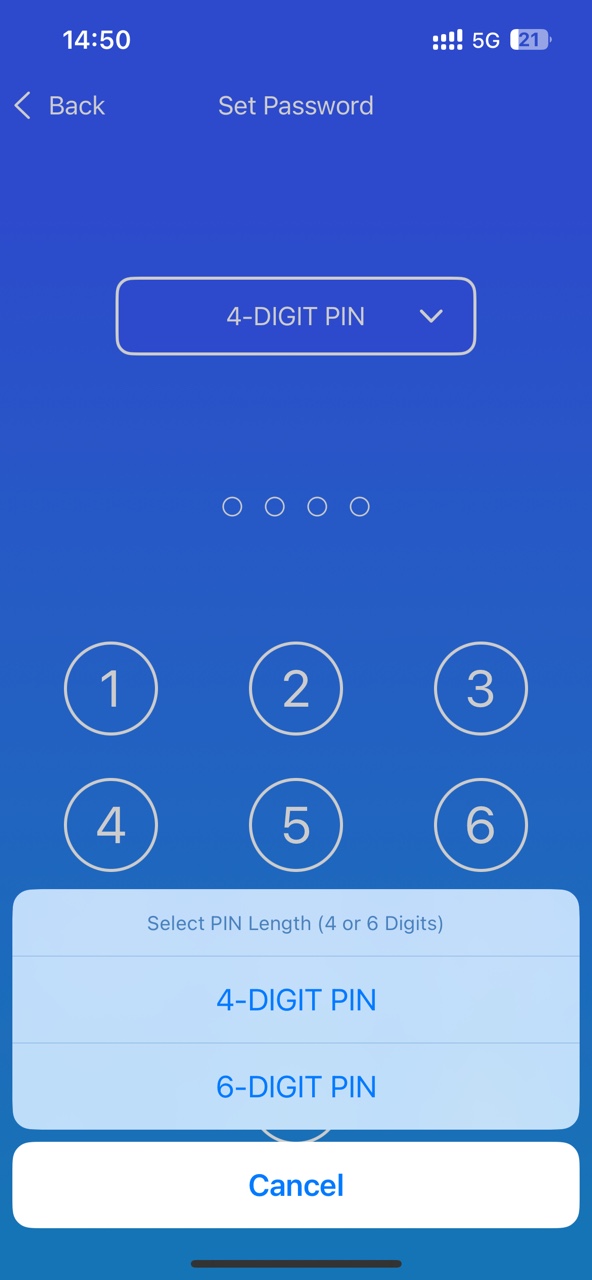
Follow the prompt to create a 4- or 6-digit PIN. It's recommended to use a PIN different from your iPhone passcode for stronger protection.
Method 2: Use your phone's built-in app lock
Most phones include a built-in app lock feature that lets you lock apps with a passcode, fingerprint, or Face ID. You can use the feature to lock your browser too.
Steps on Android
Note: The built-in App Lock feature is not available on all Android devices. If you don’t see it in your Settings, you can use the third-party browser lock app instead.
1. Open Settings.
2. Click Apps > App Lock.
3. In the list of all installed apps, select the browser app that you want to lock.
4. Click Set password. Then you can usually choose to set a 4-digit password, a pattern, your fingerprint, or your Face ID.
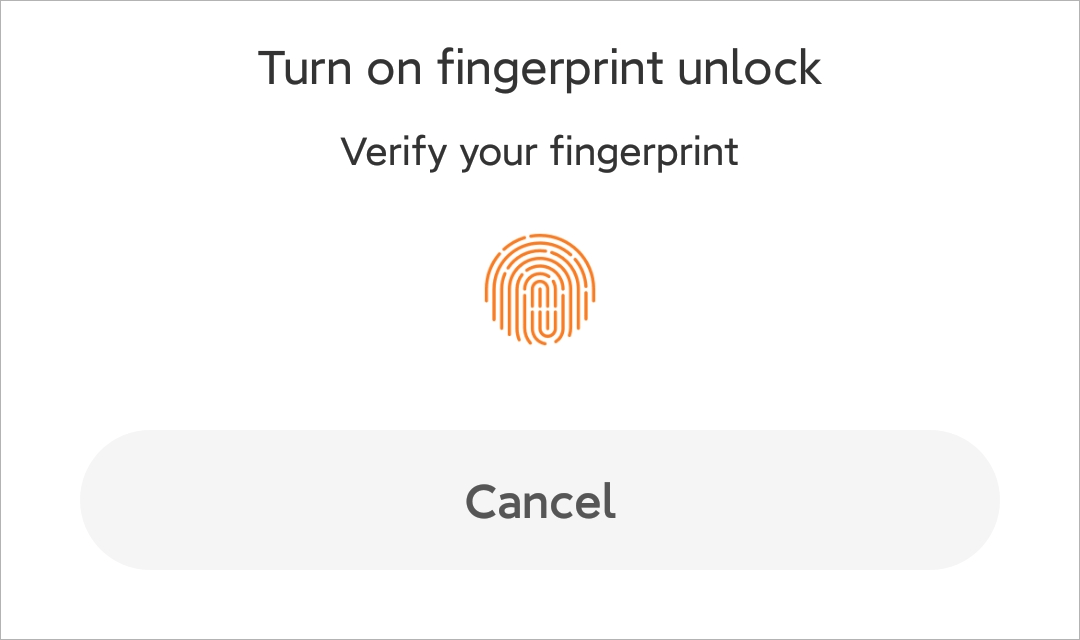
5. Go back to the App lock tab. Toggle the switch next to the browser app to the on position.
Steps on iPhone
Note: This feature is only available on iPhones running iOS 18 or later.
1. Find the browser app on your Home screen.
2. Long-press on the app icon.
3. Click Require Face ID or Require Touch ID.
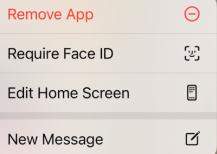
4. Confirm with your Face ID or Touch ID.
FAQs
How to lock browser with password for free?
On computer, the easiest free option is to an extension. The Browser Lock extension mentioned in this article works with Chrome, Edge, and Opera. For other browsers like Firefox or Brave, you can try PassBrow, which allows you to password-protect your browser up to 10 times per day in the free version.
On Android, iPhone, and iPad, Cisdem AppCrypt is free to use. You can also use your phone's built-in app lock features.
Can I lock all browsers on my computer?
Yes. Cisdem AppCrypt allow you to lock all browser apps on your device with password.
Does browser lock work in incognito mode?
Yes. After my testing, both AppCrypt and the Browser Lock extension work in incognito mode.
Conclusion
It’s annoying when friends or family use your computer or phone and open your browser without permission. By setting up a browser lock, you no longer have to worry about your privacy being exposed. This article introduced several effective ways to lock browser with password on computers and phones. Hope I can help you solve this problem.

Norah Hayes likes to share her tips on how to improve focus and stay motivated at work. She believes it is essential to eliminate all online distractions during work hours.

Ethan Long joined Cisdem in 2015 as a developer and now serves as the editorial advisor for Cisdem AppCrypt. He actively tests and uses Cisdem AppCrypt and other screen-time management tools to ensure AppCrypt meets its promises in real-world scenarios.
Levi Green
I was looking for a way to password protect Chrome because my family sometimes uses my computer. This guide was actually helpful. Thank you!
Dirk Maxeiner
Really clear and practical. I wanted to lock Chrome on my kid’s laptop, Cisdem AppCrypt worked perfectly. Thanks a lot!
James
Awesome guide! Locking down my work Chrome browser was a breeze thanks to your clear instructions.