


4 Best Website Blockers for Schools to Keep Students Safe Online
 1.7K
1.7K
 0
0


Students use the internet every day for learning. However, unrestricted internet access can expose them to inappropriate content. Some distracting websites also cause them to lose focus on study.
In this guide, we've tested and reviewed the best website blockers for schools. Help students remove distractions, blocking harmful contents and increasing productivity.
 Cisdem AppCrypt
The Best Website Blocker for Schools
- Block distracting, inappropriate, and harmful websites on students’ devices
- Restrict access to social media, online games, video sites, porn sites, etc.
- Block specific websites, webpages, and URLs containing selected keywords
- Also let you block all websites except the ones you allow
- Schedule website blocking during class hours, study periods, or exams
- Protect settings with a password to prevent students from bypassing restrictions
- Copy website-blocking settings from one computer to another easily
- Also lock apps with password
- Help limit and control students’ screen time at school
- Available on Windows, Mac, Android, iPhone and iPad


Quick Pick
| Tool | Best For | Website Categories | Schedule | Password Protection | Ease of use |
|---|---|---|---|---|---|
| AppCrypt | School computers | ✅ | ✅ | ✅ | ⭐⭐⭐⭐⭐ |
| OpenDNS | Entire school network | ✅ | ❌ | ❌ | ⭐⭐⭐ |
| Cold Turkey | Individual students | ❌ | ✅ | ✅ | ⭐⭐⭐ |
| Screen Time | Apple devices | ❌ | ✅ | ✅ | ⭐⭐⭐⭐ |
4 Best Website Blockers for Schools in 2026
Below are 4 best website blockers for schools after my testing:
#1 Cisdem AppCrypt
Best for: Schools, classrooms, and parents who need a powerful yet easy-to-use website blocker.
Cisdem AppCrypt is an easy-to-use website blocker and app locker for computers and phones.
Unlike many website blockers that only block individual URLs, AppCrypt supports blocking categories of websites on students’ computers, including social media, online games, video sites, porn sites, etc.
There is a Schedule feature, which can set the blocking to be active all the time or only at certain hours.
This website blocker for school allows you to copy the blocking configurations from one computer to another. This means you can set up your custom block list on one computer. Then copy all the settings to other computers in the school.
Follow the steps below to block websites on students’ computer:
1. Download and install AppCrypt on the computers used by students.
 Free Download Windows 10 or later
  Free Download macOS 10.15 or later
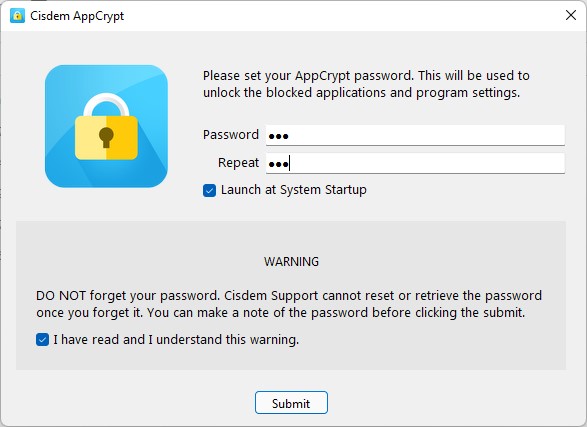
2. Launch AppCrypt and create a password.
Students cannot access, quit, or uninstall AppCrypt without the password.
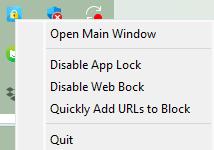
3. Right-click its icon on the Windows task bar or Mac menu bar. Select Open Main Window.
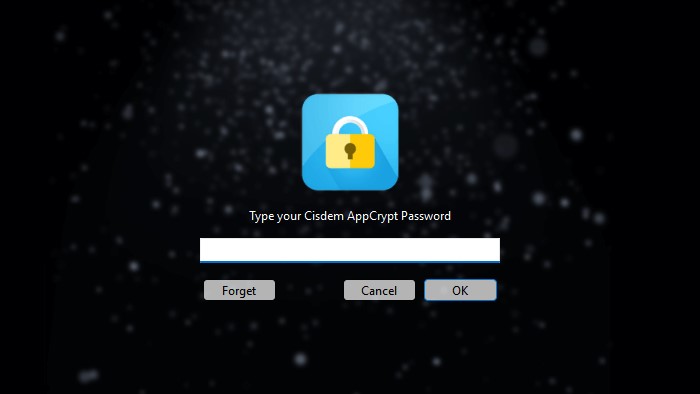
4. Enter the password.
5. Go to the Web Block tab. (On Windows computer, you need to follow the prompts to add extensions for browsers.)
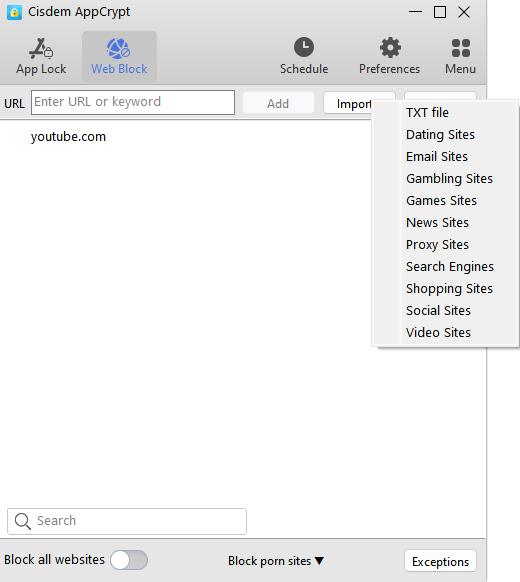
6. Click Import. Select the categories of websites that you want your students to stay away from.
You can also manually block access to a website by typing the URL in the top box. Click Add.
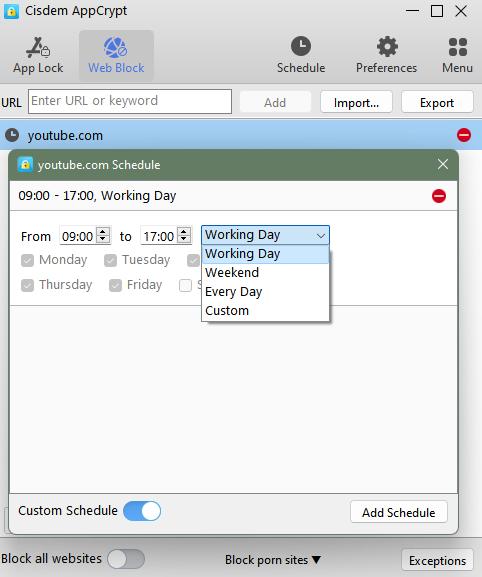
For those social media/games sites that may distract students while studying, set custom schedules on them. For example, social media helps students connect with their families, friends and communicate with other learners online, etc. Schools shouldn’t block social network sites. But it would be better to prevent students from accessing these sites while studying.
Click this site from the block list. Click the clock icon next to it. Enable Custom Schedule. Set to block this distracting site during studying hours.
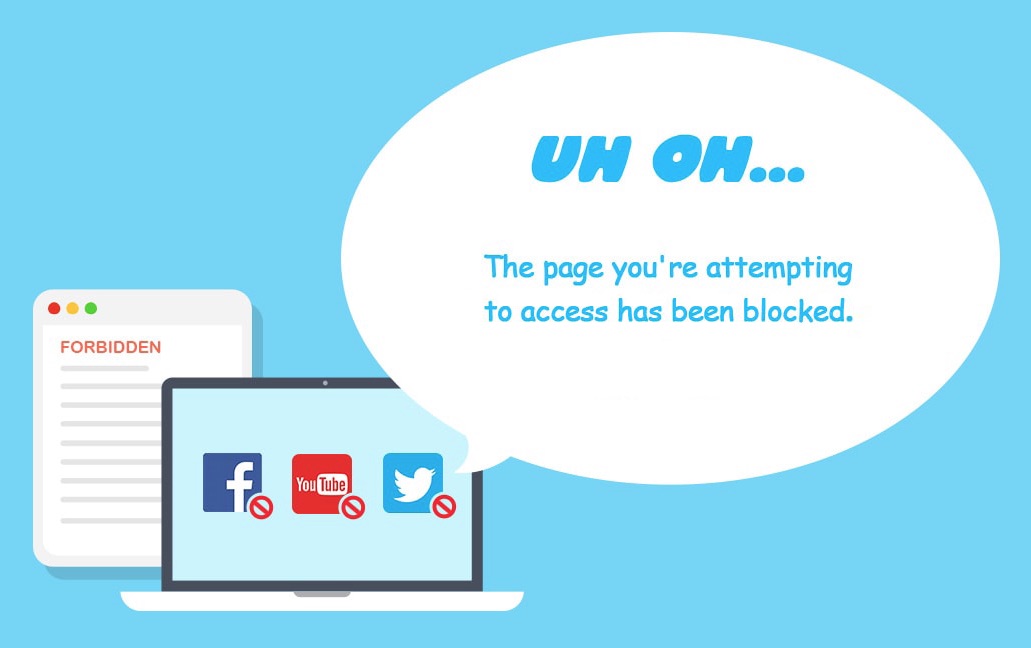
Now you have created a safe online environment for students. When they try to visit an inappropriate page/site, AppCrypt automatically block it.
Tip 1: How to block all websites at school except approved ones?
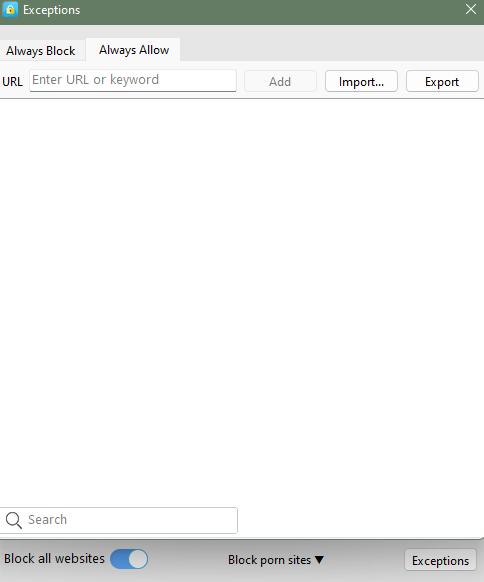
There’re too many inappropriate/dangerous websites on the Internet. Sometimes it’s difficult to identify all bad sites and put them to the block list. Fortunately, this website blocker school provides white list mode, which allows you to block all websites on the Internet with 1-click and then add some necessary websites to its Always Allow list.
To do that, enable “Block all websites” at the bottom. Click “Exceptions”. Go to the “Always Allow” tab. Add the websites that you allow you students to access to the Always Allow list.
Tip 2: How to copy the block settings from one Mac to another?
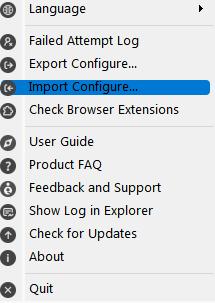
You may feel cumbersome to set the block list on every student’s computer one by one. The Export/Import Configure feature makes things easier. After setting up the blocked websites/ apps and the schedules on a Mac, click on “Menu” on the top tool bar. Choose “Export Configure” to export the configuration file. Then launch Cisdem AppCrypt on other Mac computers. Go to the main window. Click Menu > Import Configure and select the file to import.
#2 OpenDNS
Best for: Schools that need network-wide website filtering across multiple devices.
OpenDNS is a cloud-based DNS filtering service that allows schools to block inappropriate and unsafe websites at the network level. Once set it up, the filtering rules apply to all devices that connected to school network, including Windows PCs, Macs, Chromebooks, tablets, and smartphones.
While this tool is more difficult to use than the first one I introduced above, it offers some more advanced features that may help school provide a more secure online environment for students.
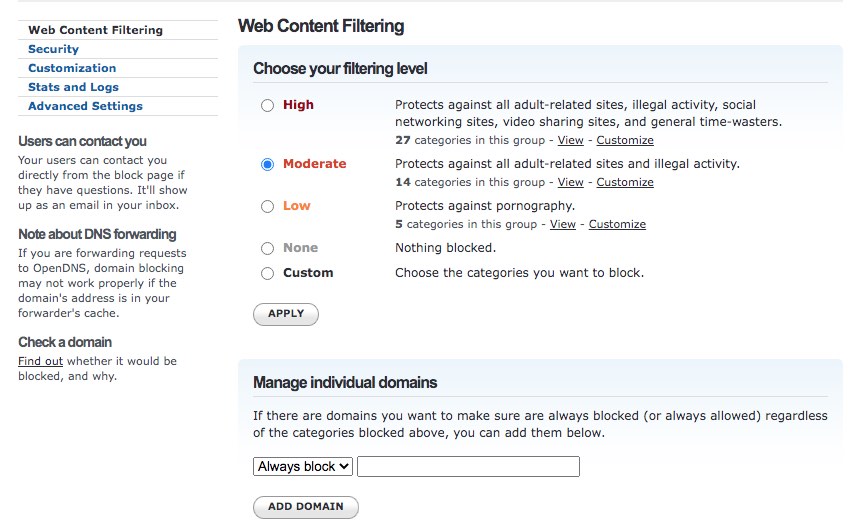
It provides multiple filtering levels for you to choose. At Low filtering level, this website blocker for school will automatically block 5 categories of websites, including pornography, Internet watch foundation, sexuality, proxy (sites providing proxy bypass information or services) and tasteless. At Moderate filtering level, it prevents access to 14 categories of sites and added some illegal websites. And at High level, 27 categories of websites are not allowed to visit. But I think the Moderate filtering level is enough for school.
OpenDNS is more than just a website blocker software. It can also help schools block malware, phishing, and other cyber attacks. It uses real-time threat intelligence to identify and block potential security threats, keeping your school network safe.
#3 Cold Turkey
Best for: Set restrictions on a child’s computer used at school.
Cold Turkey is a well-known website blocker designed to block distracting websites and applications. It is particularly useful for parents who want to set restrictions on a child’s computer that is taken to school.
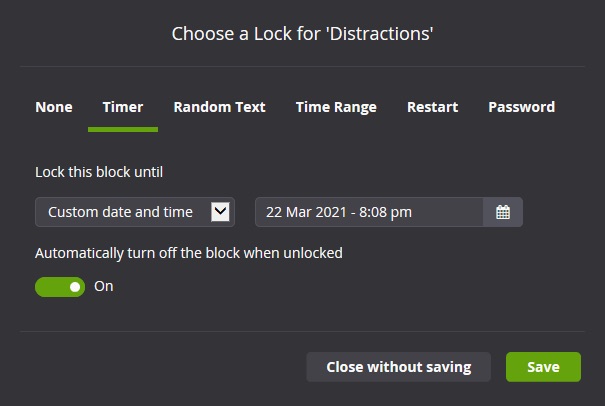
One of Cold Turkey's biggest strengths is that it allows you to create multiple block lists for different needs, and lock them with a timer. During the specified time you set, children cannot change the settings.
It can also track your child’s most frequently used websites and applications at school. So you can set more effective blocks based on the statistics and better manage your child’s online activities at school.
However, unlike Cisdem AppCrypt, it doesn’t offer a feature to easily copy the blocking configurations across multiple computers. So it’s not a good option for teachers who need to manage website blocking on many students’ devices. In addition, its pricing is relatively expensive.
#4 Screen Time
Best for: Parents who want a free and basic website blocker for students using iPhone, iPad, or Mac.
Screen Time is a built-in tool of Apple devices. It let you block specific websites, restrict access to mature content, set daily time limits for specific apps, etc. on kids’ devices. You can find Screen Time on iPhone’s Settings app or Mac’s System Preferences window. As a free website blocker school, it is a convenient tool for parents who want to monitor and manage their child’s online activities at school.
Below are 5 main features of Screen Time:
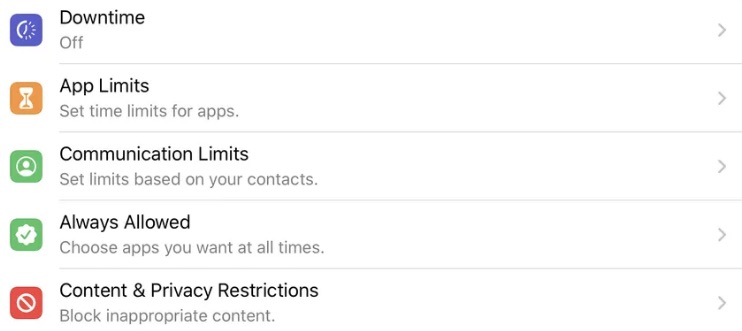
- Content & Privacy Restrictions: This feature allows you to restrict specific content and functionality on your kid’s device. For example, you are able to set to block access to adult websites, don’t allow explicit language, restrict the use of specific apps, don’t allow to delete/install/purchase apps.
- App Limit: It allows you to set daily time limit for specific applications. You can set time limits for each app if you want. And once the time runs out, Screen Time will reminds you child to close the app, or choose One More Minute, or click Ask For More Time to send the request to parents account for approval.
- Always Allowed: Apps added to the “Always Allowed" list can be used at any time, even if other apps are restricted. You can add some necessary apps that you always allow you child to use at school to this list, such as Messages, Mail.
- Communication Limits: With this feature, you can control which contacts can communicate with your child. The setting applies to Phone, FaceTime, Messages and iCloud contacts.
- Downtime: This feature helps your kids avoid overusing the device. During downtime, only apps that you choose to allow and phone calls will be available. You can create a custom schedule, or turn on this feature before your kids go to school.
What sites should schools block?
Not every website is appropriate for students in a learning environment. Below are the most common types of websites schools should block.
| Category | Examples | Why Block |
|---|---|---|
| Adult Content | Porn sites, explicit content | Protect students from inappropriate material |
| Social Media | TikTok, Instagram, Facebook | Reduce classroom distractions |
| Online Games | Roblox, Fortnite, Poki | Prevent game addiction |
| Gambling | Betting websites | Protect students from gambling-related content |
| Video Streaming | Netflix, Twitch, Disney+ | Reduce distractions and screen time |
| Proxy & VPN | VPN and proxy websites | Prevent students from bypassing restrictions |
For a more comprehensive list of websites to block for students, see our guide on 50+ Websites to Block for Students to Stay Focused.
FAQs
How to prevent students from uninstalling or bypassing the website blocker?
To prevent students from uninstalling/bypassing the website blocker at school, the most reliable way is using those website blocker software that are not allowed to access/uninstall/quit without password. Cisdem AppCrypt is a great choice in this regard.
What’s more, some blocking can be easily bypassed through VPN. To prevent this, school administrators need to disable VPN access on the network. Some Wi-Fi networks automatically block VPN connections. Or you can find this feature from its firewall settings.
What’s the best free website blocker for school?
The best free website blocker for school is OpenDNS, which filters harmful websites across all devices connected to the school network. However, it is a bit cumbersome to set up and won’t work if students switch to a different network or use mobile data.
If you worry about this, you can use Cisdem AppCrypt. It offers a 3-day free trial for the Windows, Mac versions, and is completely free to use on mobile devices.
How to turn on SafeSearch on Google?
SafeSearch is an automated filter on Google for filtering explicit content from search results. It is designed to provide a safer and more appropriate search experience.
To turn on Google SafeSearch, follow these steps:
1. Open a web browser.
2. Go to the SafeSearch settings: www.google.com/safesearch.
3. Under SafeSearch, select Filter.
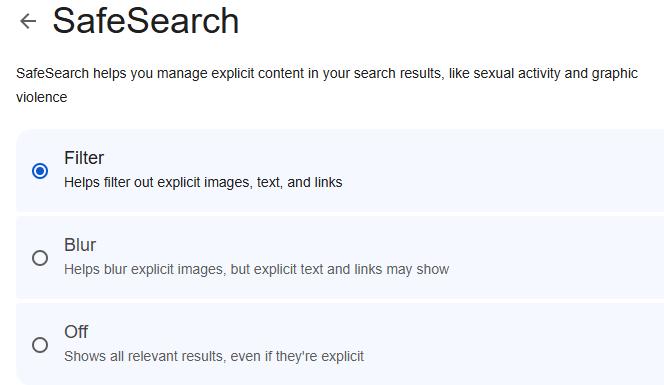
Note that SafeSearch may not completely block all inappropriate content, so professional website blocker software is also required to keep students safe online. Also, if students have multiple browsers or devices using the same Google account, you need to set up SafeSearch on each browser or device individually.
Conclusion
Above are 4 best website blockers for school and several tips that may help you make the blocking more effective. To choose a reliable website blocker school, first make sure it has features that suit school's needs, such as the ability to block categories of websites, set time limits, etc. The selected tool must have good security and privacy protection measures to protect the personal information of students. Also, choose an easy-to-use tool with an intuitive interface so that school administrators or parents can operate it easily.

Norah Hayes likes to share her tips on how to improve focus and stay motivated at work. She believes it is essential to eliminate all online distractions during work hours.

Ethan Long joined Cisdem in 2015 as a developer and now serves as the editorial advisor for Cisdem AppCrypt. He actively tests and uses Cisdem AppCrypt and other screen-time management tools to ensure AppCrypt meets its promises in real-world scenarios.