


How to Lock Signal App to Secure Your Privacy (2026 Guide)
 4.4K
4.4K
 0
0


Key takeaways
There are 2 ways to lock the Signal app: using a third-party app locker, or the built-in lock in Signal.
If you’re looking for stronger protection, more flexible features, and easier setup process, Cisdem AppCrypt is the best option.
Signal is an encrypted messaging app that uses end-to-end encrypted to protect conversations. However, the risk of privacy breaches still exists when others use our devices. To add an extra layer of security, you can lock the Signal app. This article will show you how to lock Signal app on Mac, Windows, iPhone and Android to protect your Signal messages from unauthorized access.
 Cisdem AppCrypt
Lock Signal with Password on Computer & Phone
- Lock individual apps, like Signal, with password
- Offer an option to automatically re-lock apps after a period of inactivity
- Block websites on Chrome, Edge, Safari and other browsers
- Block specific websites, categories of sites, and URLs with certain keywords
- Let you lock apps and block sites permanently or at certain times
- Require password to enter/quit/uninstall AppCrypt
- Easy to use
- Hard to bypass
- Can be used for privacy protection, productivity, parental controls, etc.
- Available for Windows, Mac, Android, iPhone and iPad


Is the Signal app secure?
Yes, Signal is considered a highly secure messaging app. It uses end-to-end encryption, which means the messages in Signal are encrypted at the sender’s end and decrypted at the receiver’s end. Only the users engaged in communication can read the messages, not even the developers of Signal.
However, you still need to pay attention to your privacy if someone can use your device and open the Signal app. Then they can still easily view the messages in it. That is why adding an extra layer of security on this app is necessary.
How to lock Signal app with password on Windows and Mac
Cisdem AppCrypt is a powerful app locker and website blocker tool for Windows and Mac users. You can use it to lock Signal app with password efficiently. No one can access locked applications on your computer without entering the password you set. Additionally, it can help you automatically lock Signal app after a period of inactive. Below are detailed steps to lock Signal app on Windows and Mac computer:
1. Download and install Cisdem AppCrypt on your Windows or Mac.
 Free Download Windows 10 or later
  Free Download macOS 10.15 or later
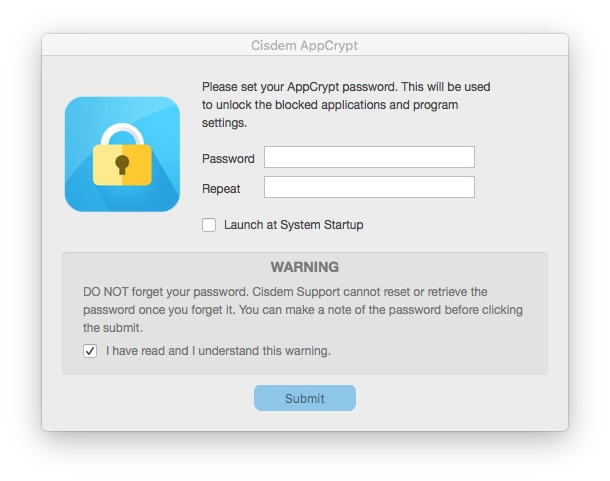
2. It’ll ask you to set a password when you first launch it.
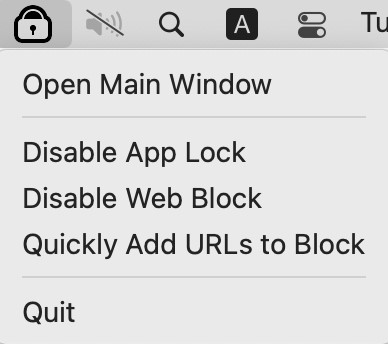
3. Click the lock icon on the desktop menu bar or taskbar. Choose Open Main Window.
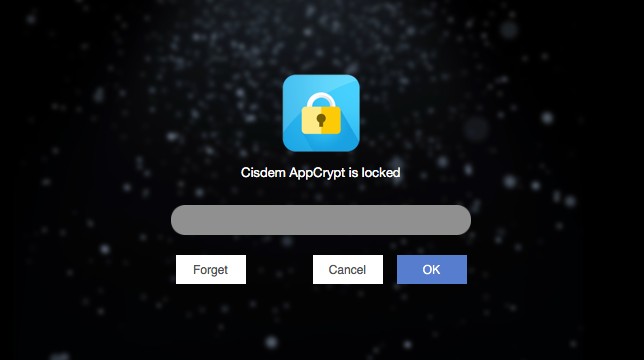
4. Enter the password you just set to access this tool.
5. On Mac computer: click the Plus icon under the App Lock tab. Select the Signal app from the Applications folder. Click Open.
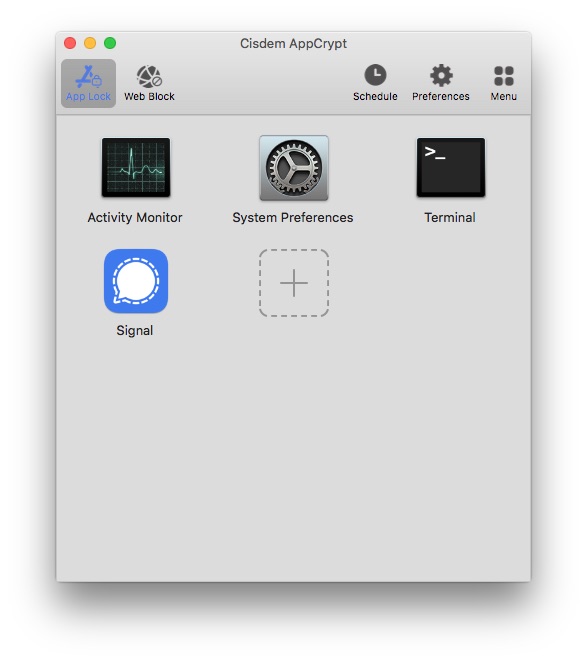
On Windows computer: directly drag the desktop shortcut of Signal into the main window.
Or, if you can’t find the shortcut of Signal on the desktop, click the Plus icon. Find the EXE file of the Signal app from File Explorer. Open it.
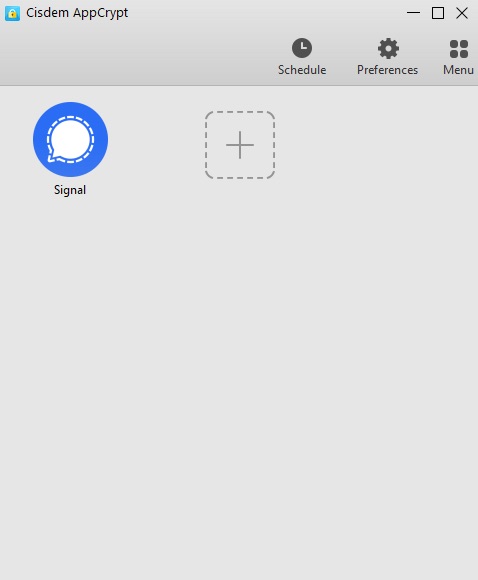
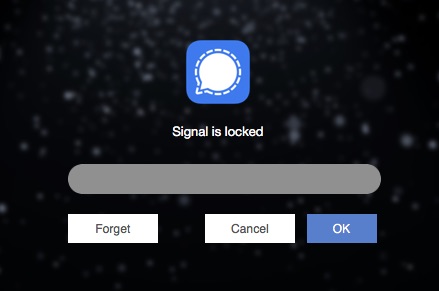
Now Signal is locked with password on computer.
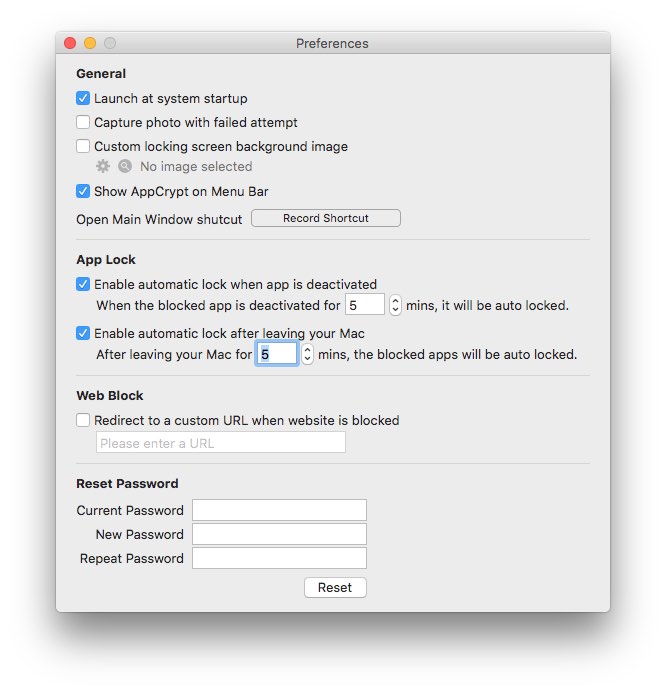
Tip: How to set the auto lock time for Signal app on computer?
AppCrypt can help you lock Signal app automatically when the app is inactive or after you leaving your computer for a period of time. You can go to the Preferences window to set the auto-lock time. In this way, you don’t need to enter the password frequently but also keep your Signal messages safe.
How to lock Signal app with Touch ID, Face ID, or PIN on iPhone
There are two ways to lock Signal on iPhone.
Use the built-in lock
On iPhone, you can use Touch ID or Face ID to add an extra layer of security to the Signal app. Make sure no one can pick up your phone and see your Signal messages.
1. Open the Signal app. Click the Profile icon in the upper left corner to enter the Settings interface.
2. Select Privacy option.
3. Scroll down the Privacy window, and then you'll see an option for Screen Lock. Enable it. Once enabled, you’ll need to use the Touch ID, Face ID, or your device passcode to access this app.
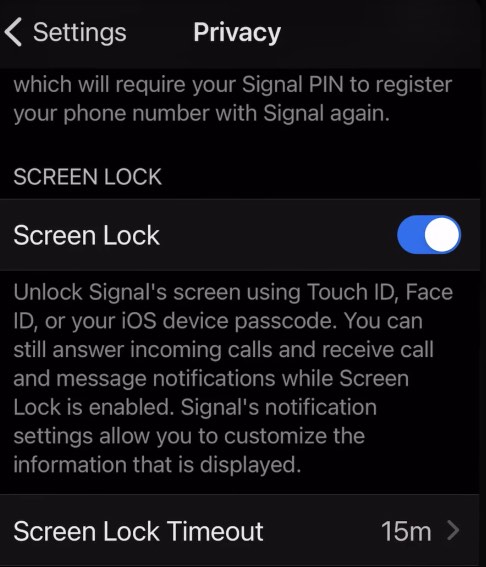
4. You can also set up the Screen Lock Timeout setting. This way you don't need to frequently unlock the app for a short period of time.
Now quit the Signal app and reopen it. You'll be asked to authenticate with Touch ID or Face ID. Once verified, you'll be able to access it.
Use Cisdem AppCrypt
1. Install AppCrypt from the App Store.

2. Click App Lock.

3. Click Add/Remove at the bottom.
4. Search for the Signal app. Select it. Click Done.
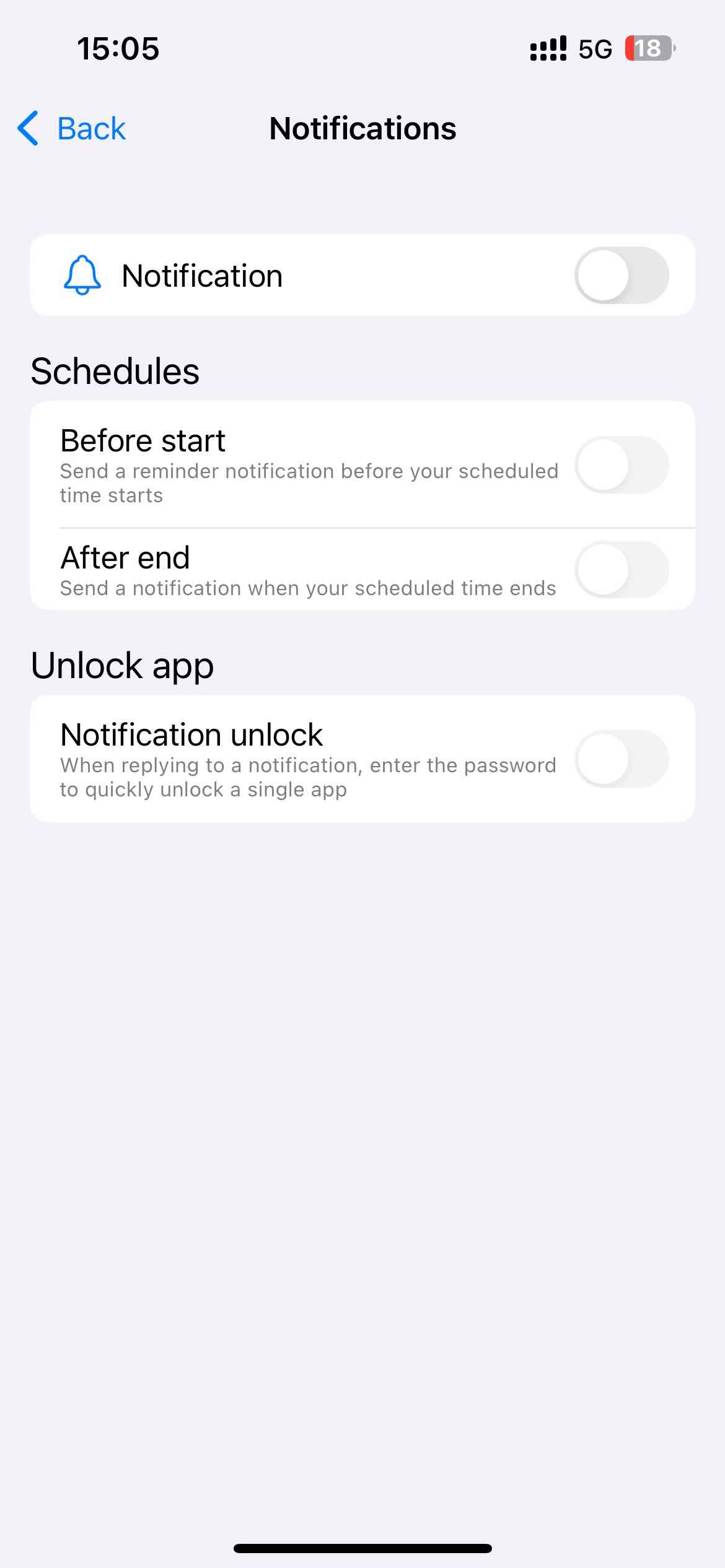
5. Click Preferences > Notifications. Enable Notification and Notification unlock.
6. Then it'll prompt you to set a 4-digit or 6-digit PIN, which helps prevent your setting from being changed by others.
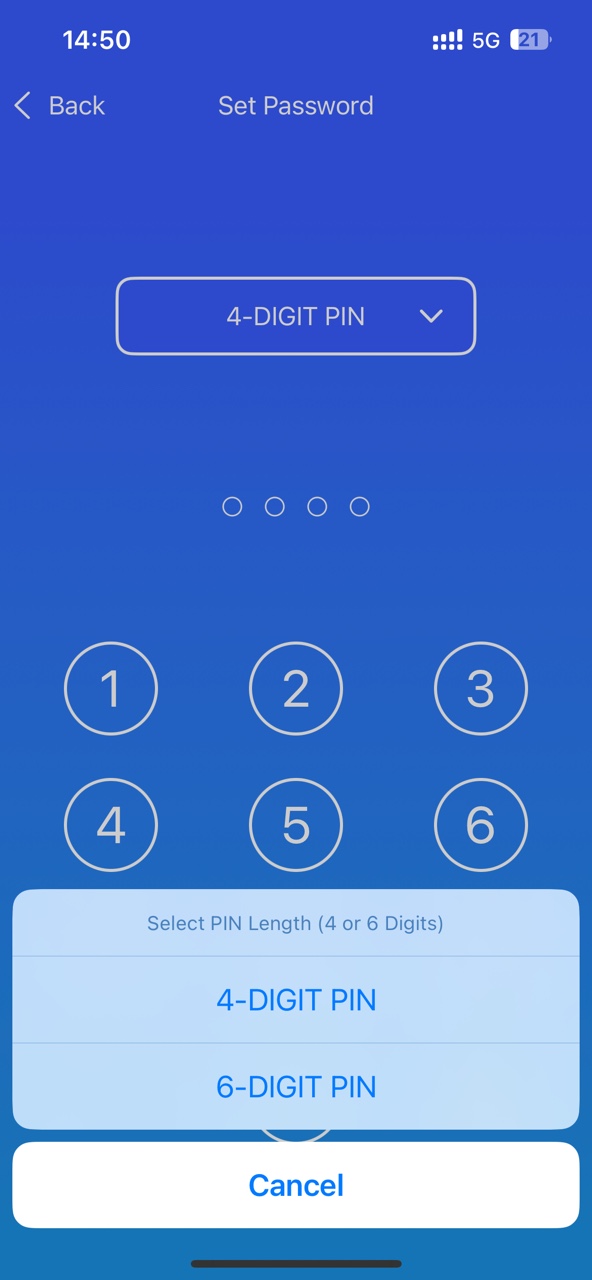
Now Signal app is locked with PIN on your iPhone.
How to lock Signal app with PIN or fingerprint on Android
There are two ways to add an extra layer of security on Signal.
Use the built-in lock
While the Signal app is already extremely secure, your privacy can be compromised when a friend or family member uses your phone and opens the app. Here’re detailed steps on how to lock Signal app with PIN or fingerprint on Android.
1. Open the Signal app.
2. Tap the 3-dot menu icon in the upper left corner.
3. Select Settings from the menu.
4. Tap on Privacy.
5. Find Screen Lock and turn it on.
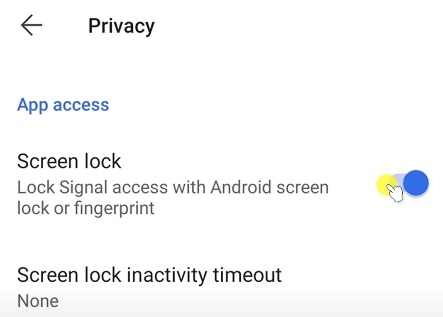
6. You can also set up the Screen lock inactivity timeout setting, so that you need to unlock the app only once, and can open the app without the password for a short time.
Now, when you reopen the Signal app (if you have a Screen lock inactivity timeout set, wait the time runs out), it will ask you to enter the PIN or use your fingerprint to unlock and view Signal messages.
Use Cisdem AppCrypt
Cisdem AppCrypt is also available for Android. You can use it to easily protect any apps installed on your device, including Signal.
1. Install Cisdem AppCrypt from the Google Play Store.

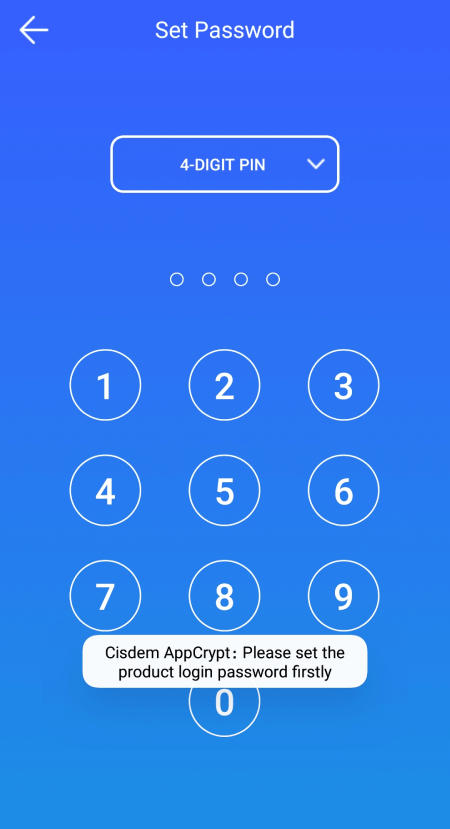
2. When you launch it for the first time, you need to set a PIN or pattern.
3. In the App Lock tab, find the Signal app from the Unlocked App section.
4. Toggle the switch next to it to the on position.
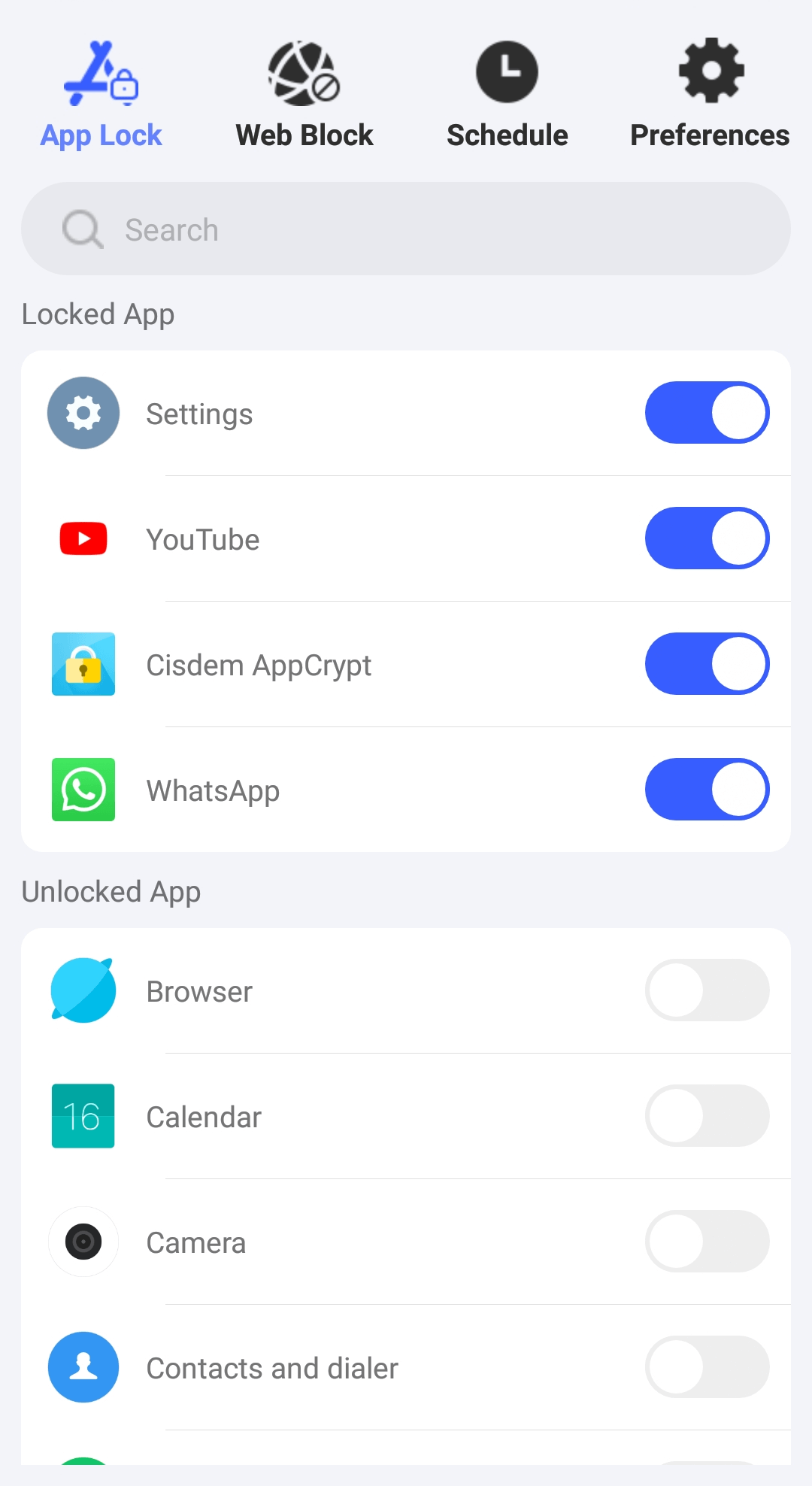
Now Signal is locked with the PIN or pattern you set.
Some Signal privacy settings you should know
As a private messenger app, Signal offers several built-in features to help users protect their personal information and conversations in it.
Screen security: Signal has a Screen Security feature that prevents people from taking screenshots within the Signal app. Also, when someone else is using your device, he won't be able to see your conversations from the recent app menu. To enable this feature, click the menu icon in the upper right corner and select Settings. Select Privacy. Enable the Screen Security switch.
Incognito keyboard: Incognito keyboard is designed to prevent the possibility of third-party keyboard from tracking and stealing your typing data. Enhance the privacy of your communications. You can enable the Incognito keyboard feature on the Privacy window.
Disappearing messages: The Disappearing messages feature makes the message you send or receive disappear automatically after a period of time. This feature is helpful for users who don’t want to keep any chat history. Enter the chat window that you want to enable this feature. Click the 3-dots icon on the upper right. Turn on Disappearing messages. In the pop-up window, you can choose how long to automatically disappear after the messages are read, for example: 30 seconds, 1 minute, 5 minutes, etc.
Conclusion
Signal app is popular for its security. Third parties cannot access the messages in it because they are always end-to-end encrypted. However, if you share your computer or phone with others, they can still easily view the conversations in it. This article talked about how to lock Signal on computers and phones, keeping your Signal messages private and secure.

Norah Hayes likes to share her tips on how to improve focus and stay motivated at work. She believes it is essential to eliminate all online distractions during work hours.

Ethan Long joined Cisdem in 2015 as a developer and now serves as the editorial advisor for Cisdem AppCrypt. He actively tests and uses Cisdem AppCrypt and other screen-time management tools to ensure AppCrypt meets its promises in real-world scenarios.