


How to Block Facebook on Chrome Temporarily or Permanently
 16.0K
16.0K
 0
0


Key takeaways
You can block Facebook on Chrome using professional website blockers, Chrome extensions, or built-in settings on computers and mobile devices.
If you want to block Facebook on Chrome permanently or only during specific times, Cisdem AppCrypt is the best option - especially for users who prefer a simple setup.
Facebook is one of the most popular social media websites. It can be addictive and distracting. As a result, one may need to block access to Facebook sometimes. This article will show you how to block Facebook on Chrome easily on computers and mobile devices.
 Cisdem AppCrypt
The Best Facebook Blocker Tool
- Block websites on Chrome, Safari, Edge and more browsers
- Let you block specific sites/pages, and URLs with certain keywords
- Let you block popular sites in certain categories, like social media, with 1 click
- Let you block all porn sites with 1 click (on Windows, Mac, iPhone and iPad)
- Can also block all websites except user-specified ones
- Also lock apps with password
- Let you block websites and lock apps permanently or at scheduled times
- Easy to use
- Hard to bypass
- Help you block access to Facebook or set time limits on it
- Help with productivity, parental controls and privacy protection
- Available for Mac, Windows, iPhone and iPad, and Android


How to Block Facebook on Chrome on Computer
#1 Use Cisdem AppCrypt
Applies to: macOS 10.15 or later; Windows 10 or later
If you are a computer user and want to block Facebook on Chrome without extension, you can use Cisdem AppCrypt - the best website blocker and app locker.
Step 1. Download and install AppCrypt.
 Free Download macOS 10.15 or later
  Free Download Windows 10 or later
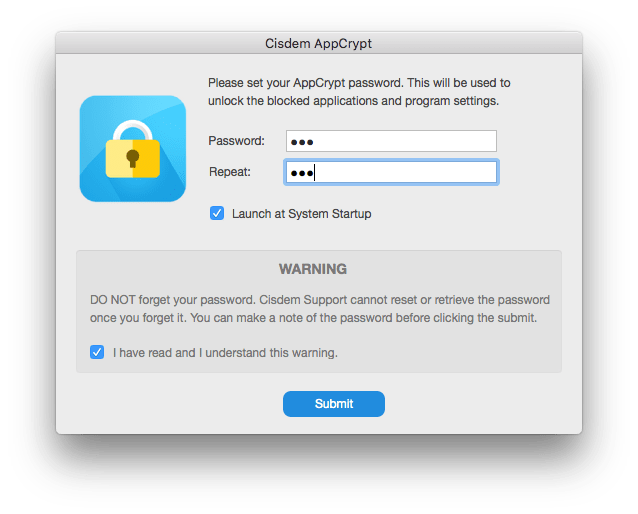
Step 2. When you open it for the first time, it will ask you to set a password.
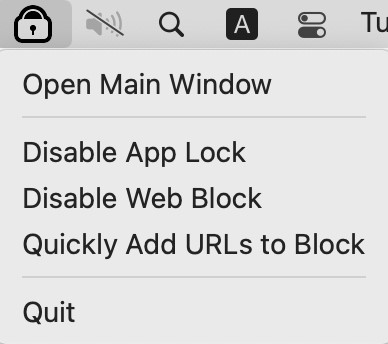
Step 3. On a Mac, click the lock icon in the top menu bar and choose Open Main Window. On a Windows PC, click the AppCrypt icon in the taskbar.
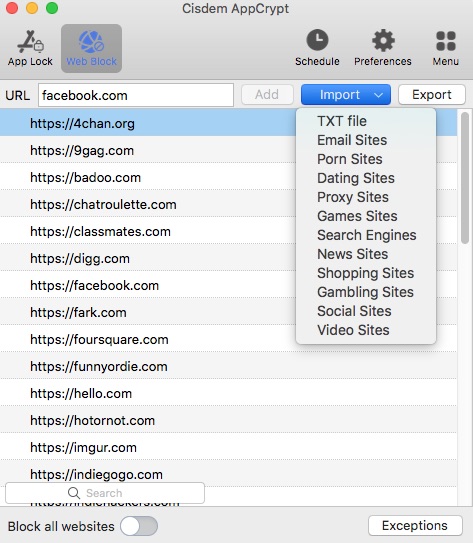
Step 4. To block Facebook on Chrome, click the Web Block tab. Enter URL of Facebook to the URL field. Click the Add button.
Note: This note is for Windows users. Please install the Chrome extension when prompted in step 4.
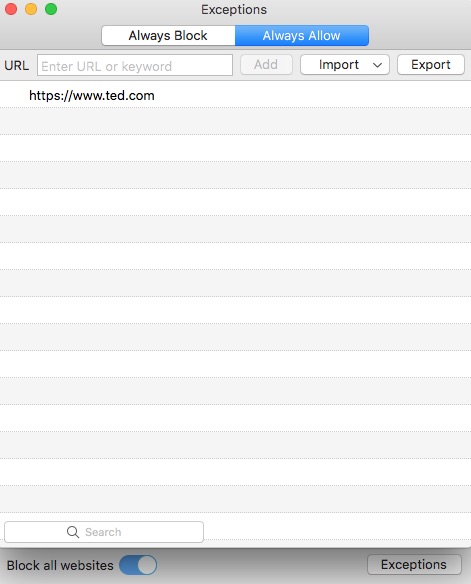
If you want to block all websites on Chrome except the few ones, enabling the function of Block all websites on the bottom left corner. Go to Always Allow list by clicking the Exceptions button on the bottom right. Add websites that you approved to the list.
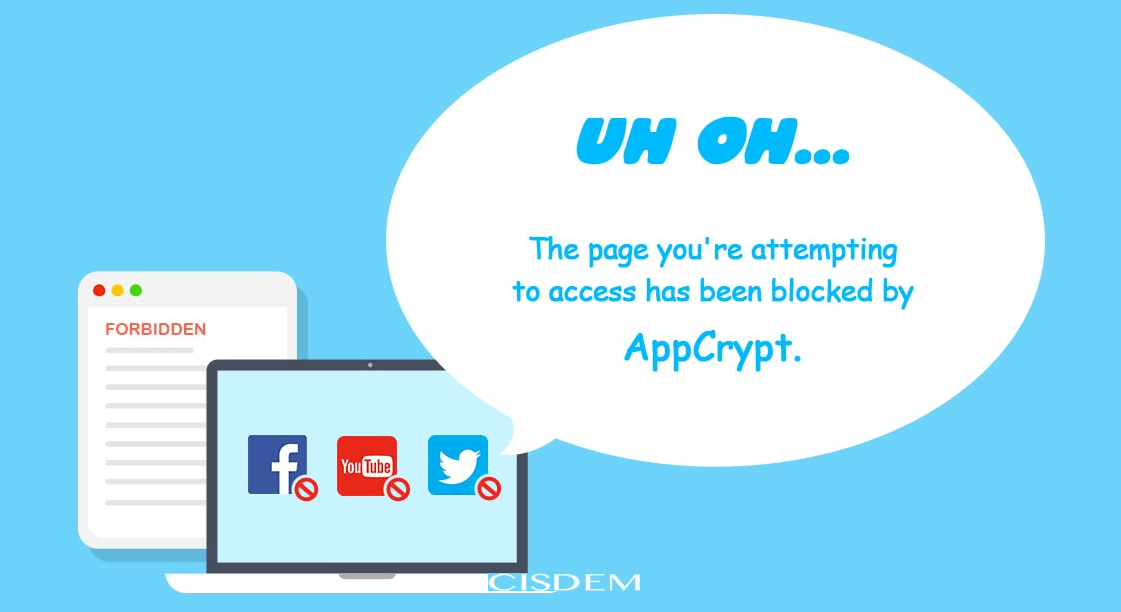
The blocking will apply to Chrome, Safari, Edge and more supported browsers on your computer. When you are trying to visit a blocked website on Chrome browser, it won’t open. Instead, you will be shown this image.
It’s easy to suspend or remove the blocking.
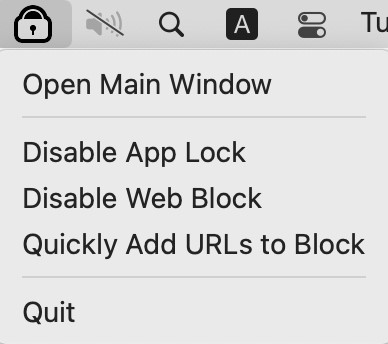
- If you just need to block Facebook on Google Chrome temporarily, here’s how to temporarily unblock it. Click the AppCrypt icon in the menu bar and choose Disable Web Block. Likewise, it’s easy to enable the feature again.
- To completely remove the blocking, you only need to remove facebook.com from the block list.
To prevent yourself or others from visiting Facebook permanently on your Chrome, just keep this Facebook blocker running all the time.
#2 Use URL Blocker
Applies to: Windows 7, 8, 10, 11
Especially designed for the purpose of blocking websites on Windows, URL Blocker is able to block Facebook and any other website on Chrome and other web browsers that you may install on your computer. It takes advantage of the Windows hosts file to block specific sites. Hosts file is an operating system file on our PC that can only be edited by administrator. Since that, URL Blocker only works on an administrator account.
Step 1. Download this Facebook blocker for PC. It needs no installation and can be opened directly.
Step 2. To block Facebook website on Chrome in Windows 10 or other supported versions, click Add in the lower right corner. Enter facebook.com. Click Add again. To add multiple websites to block, just repeat the process.
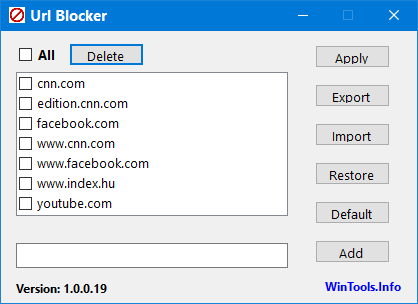
To unblock a blocked website, select the checkbox before it and click Delete. If you need to permanently block the access to facebook.com, just let it stay in the list and never uninstall URL Blocker. The Export/Import feature allows you to export and import custom blacklist of websites.
#3 Use Chrome extensions
Applies to: Windows, macOS
The two methods above let you block Facebook on Chrome without extension. If, on the contrary, you are planning to use one, there are several options available. They are handy to use and require no software installation. Block Site is one of them.
Step 1. Search for Block Site in the Chrome Web Store.
Step 2. Click Add to Chrome. Click Add extension. Once it is successfully installed, it will appear in your Extensions list.
Step 3. Go to https://www.facebook.com/. Click the Extensions icon in your Chrome browser's toolbar. Select Block Site.
Step 4. Click Block this site.
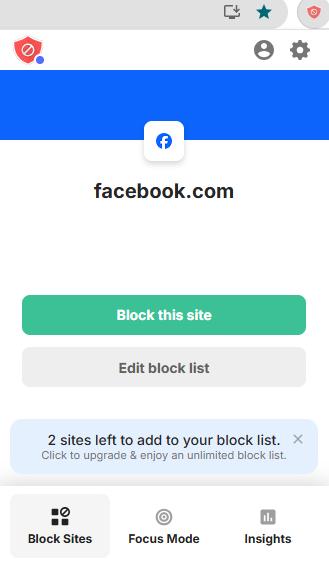
You won’t be able to open Facebook on Chrome anymore. To unblock it, click the icon and slide the toggle switch off to temporarily turn off the extension. Alternatively, right-click (PC) or control-click (Mac) its icon and select options. Navigate to the BLOCKED SITES list and delete facebook.com.
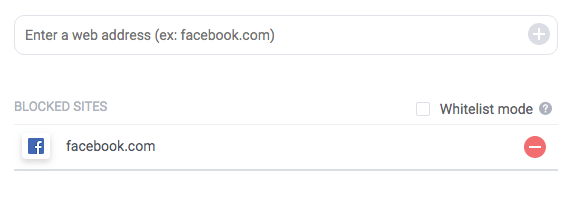
One downside is that one is still able to access blocked sites without any limit by opening it in an Incognito Window. But here's a solution. Click Manage Extensions and enable Allow in incognito.
Tip
To block Facebook in Google Chrome with password using this extension, you need to buy its Unlimited version. When you try to visit www.facebook.com again, you will find a new option Enter password to gain access.
#4 Use Parental Controls
Applies to: macOS 10.4 Tiger - 10.14 Mojave
To block Facebook on Chrome without extension, in addition to using the first two methods, one can also use Parental Controls. It comes with macOS and offers an array of options for parents to control children’s access to web and apps.
However, there is a big disadvantage. It doesn’t allow you to block websites on an administrator account.
Step 1. Open System Preferences on your Mac. Click Parental Controls. You can choose to create an exclusive account for this feature. Or, you can enable Parental Controls for an already existing non-administrator user.
Step 2. Go the Web tab. From the three Bowser Restrictions options, select Try to limit access to adult websites. Click Customize. Add facebook.com to the block list.
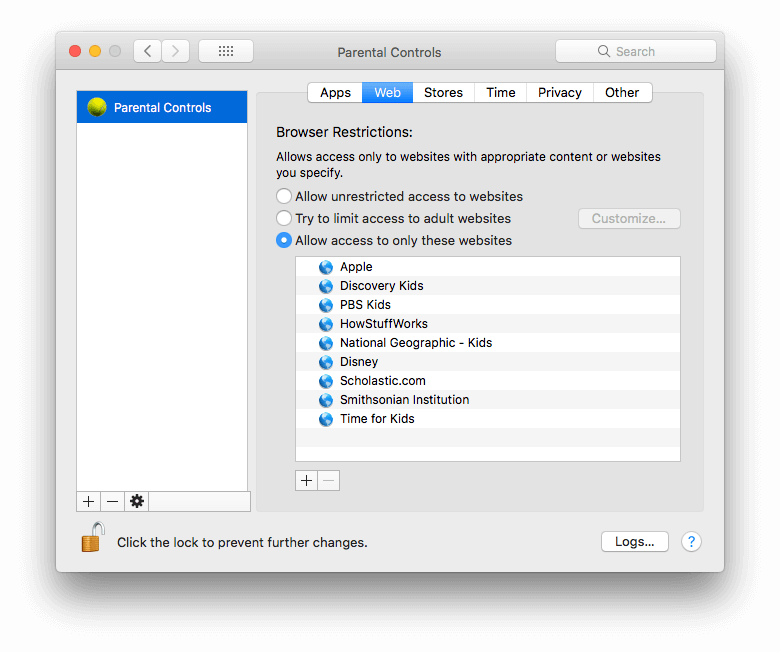
Alternatively, you can select Allow access to only these websites and create a whitelist.
#5 Use Screen Time
Applies to: macOS 10.15 Catalina or later
Here’s another built-in solution on how to block Facebook on Chrome.
Step 1. Open System Settings or System Preferences on your Mac. Select Screen Time.
Step 2. At the bottom of the window, enable Use Screen Time Passcode.
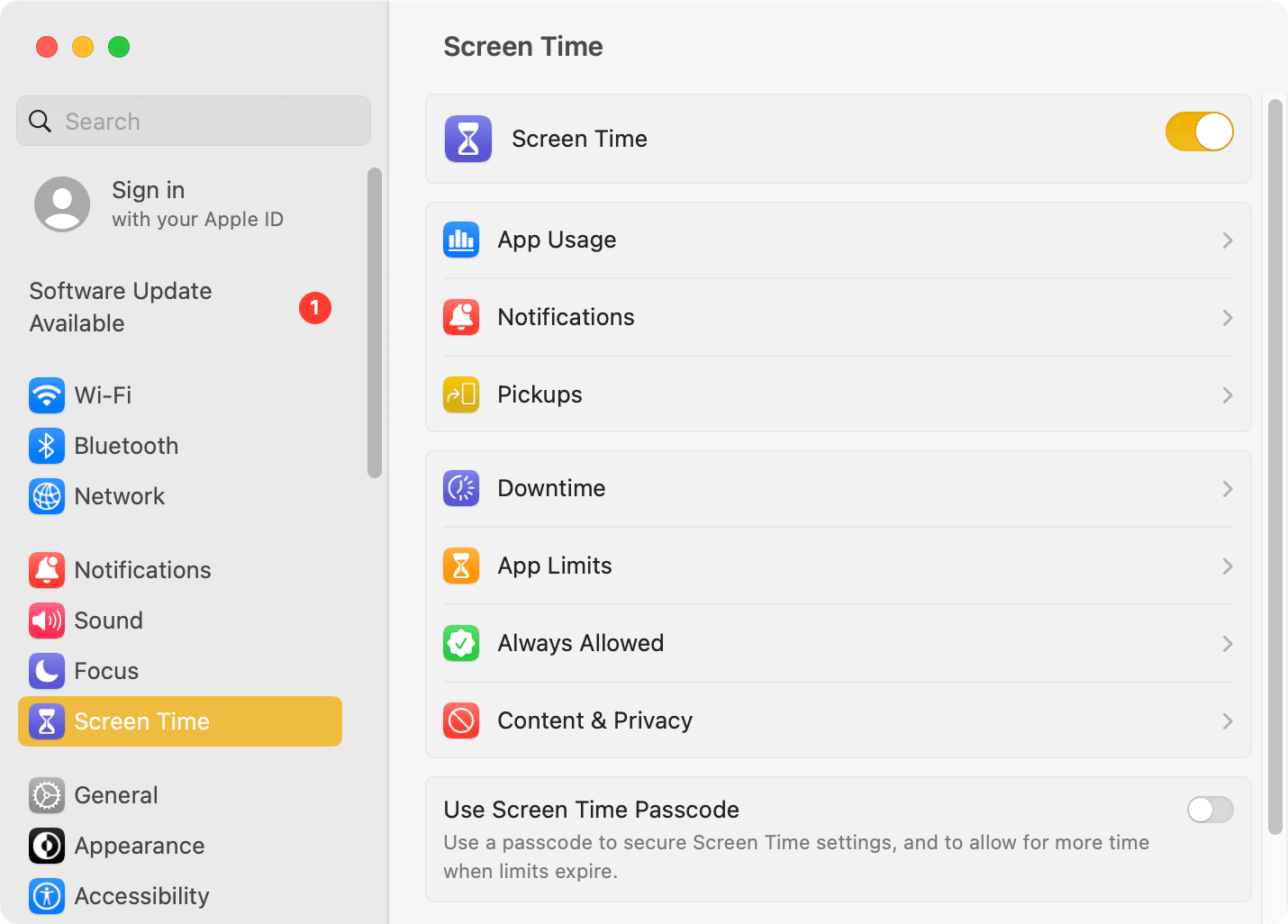
Step 3. Set a passcode to prevent others from making any change to your settings.
Step 4. Click Content & Privacy. Then enable the feature.
Step 5. Click Content Restrictions > Access to Web Content > Limit Adult Websites. Click the Customize button that appears.
Step 6. Go to the Restricted section in the new window that shows up. Click the Add icon and enter the Facebook URL there.
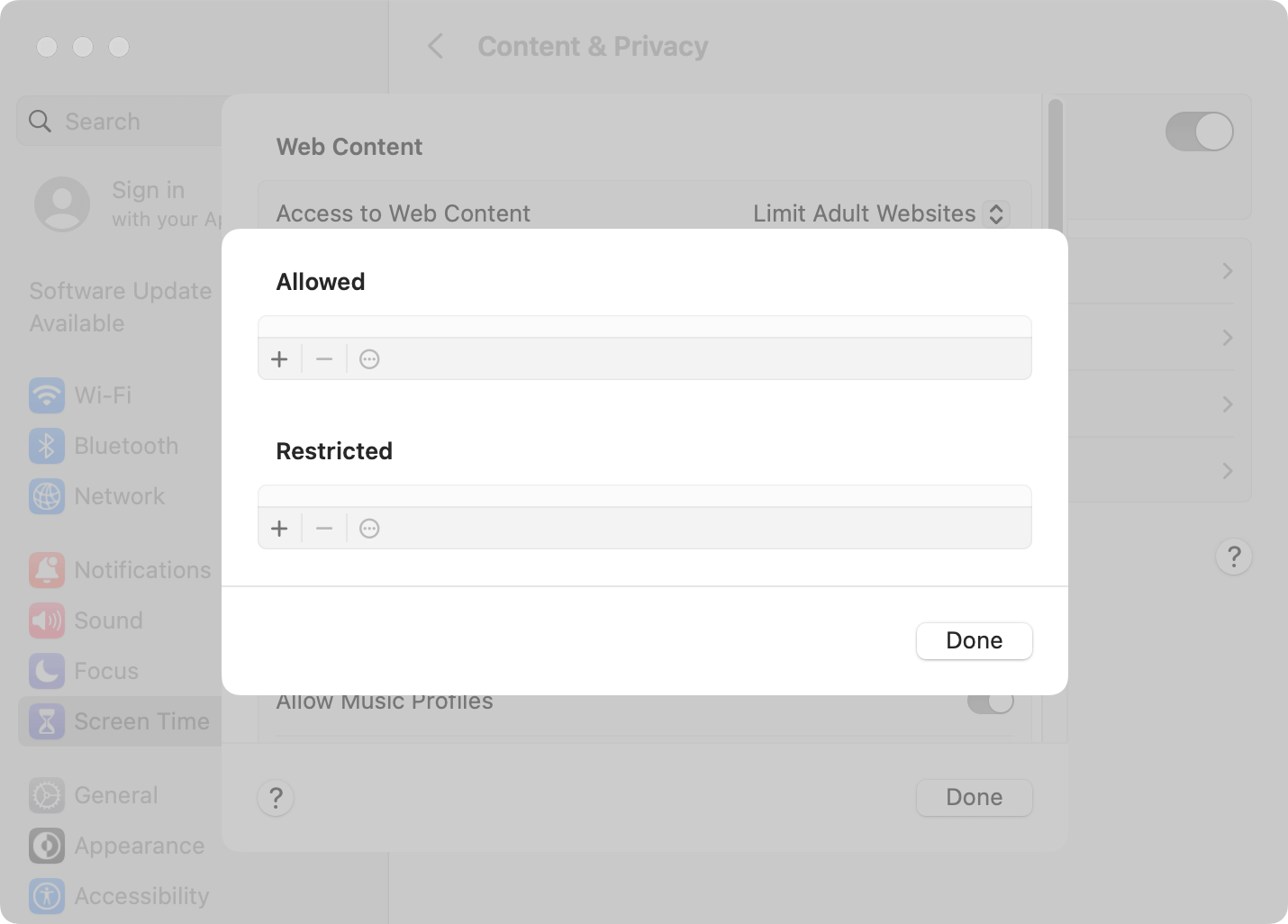
Step 7. Click Done in the bottom right corner of the window.
How to Block Facebook on Chrome on iPhone or iPad
Applies to: iOS 15 or later; iPadOS 15 or later
How to block Facebook on Chrome mobile? It’s easy.
The iPhone or iPad version of AppCrypt can help restrict access to websites on Chrome and other browsers.
Step 1. Install AppCrypt.

Step 2. Go to the Web Block tab.
Step 3. Type facebook.com and then tap the Add button.
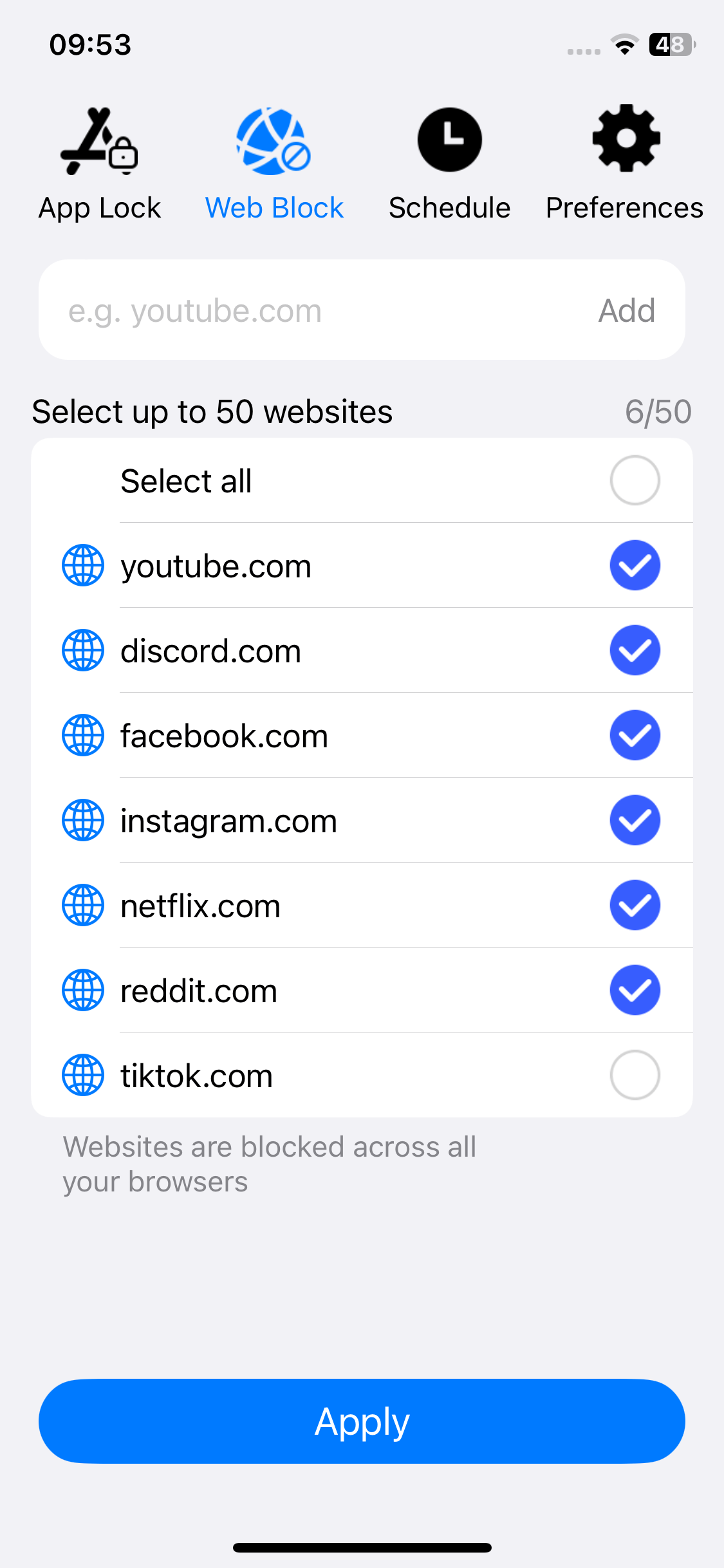
Now facebook.com is not accessible on Chrome, Safari and other browsers.
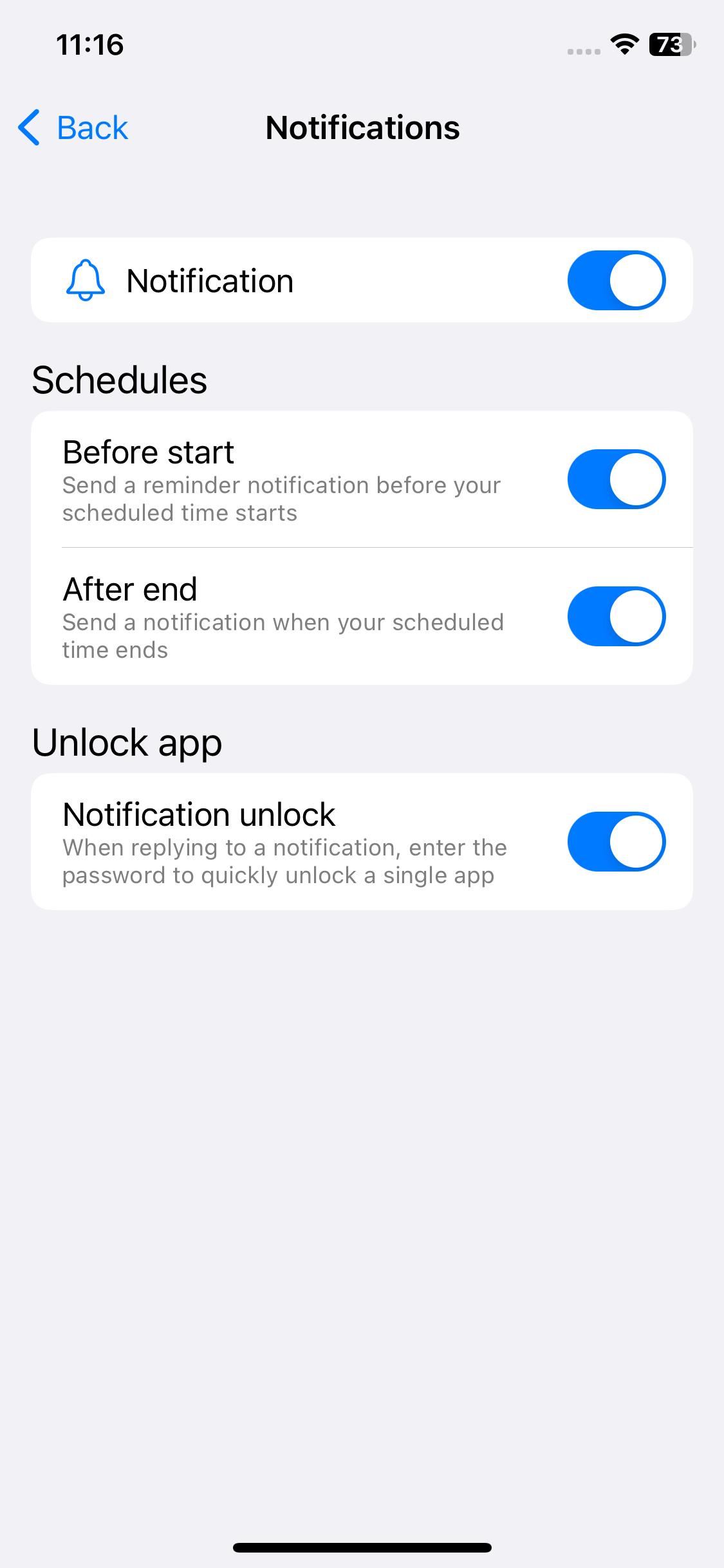
Step 4. Tap Notifications in Preferences and then turn it on. Enable Notification unlock and then set a PIN when prompted.
Once a PIN is set, AppCrypt will be PIN-protected. As a result, only people who know the PIN can unblock Facebook.
How to Block Facebook on Chrome on Android devices
Applies to: Android 8.0 or later
AppCrypt also allows you to easily block any websites on Android phones. It works with Chrome, Samsung Internet, Opera, Opera Mini, Opera GX, Firefox and more browsers. You can use it to effortlessly block Facebook and other unwanted websites on your Android phone. In addition, you can use it to block access to the Facebook app.
Step 1. Install Cisdem AppCrypt.

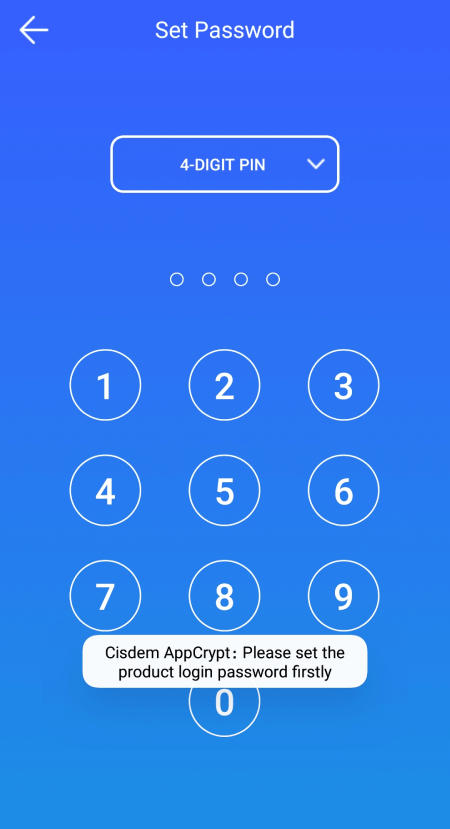
Step 2. When you launch this app for the first time, set a PIN or pattern.
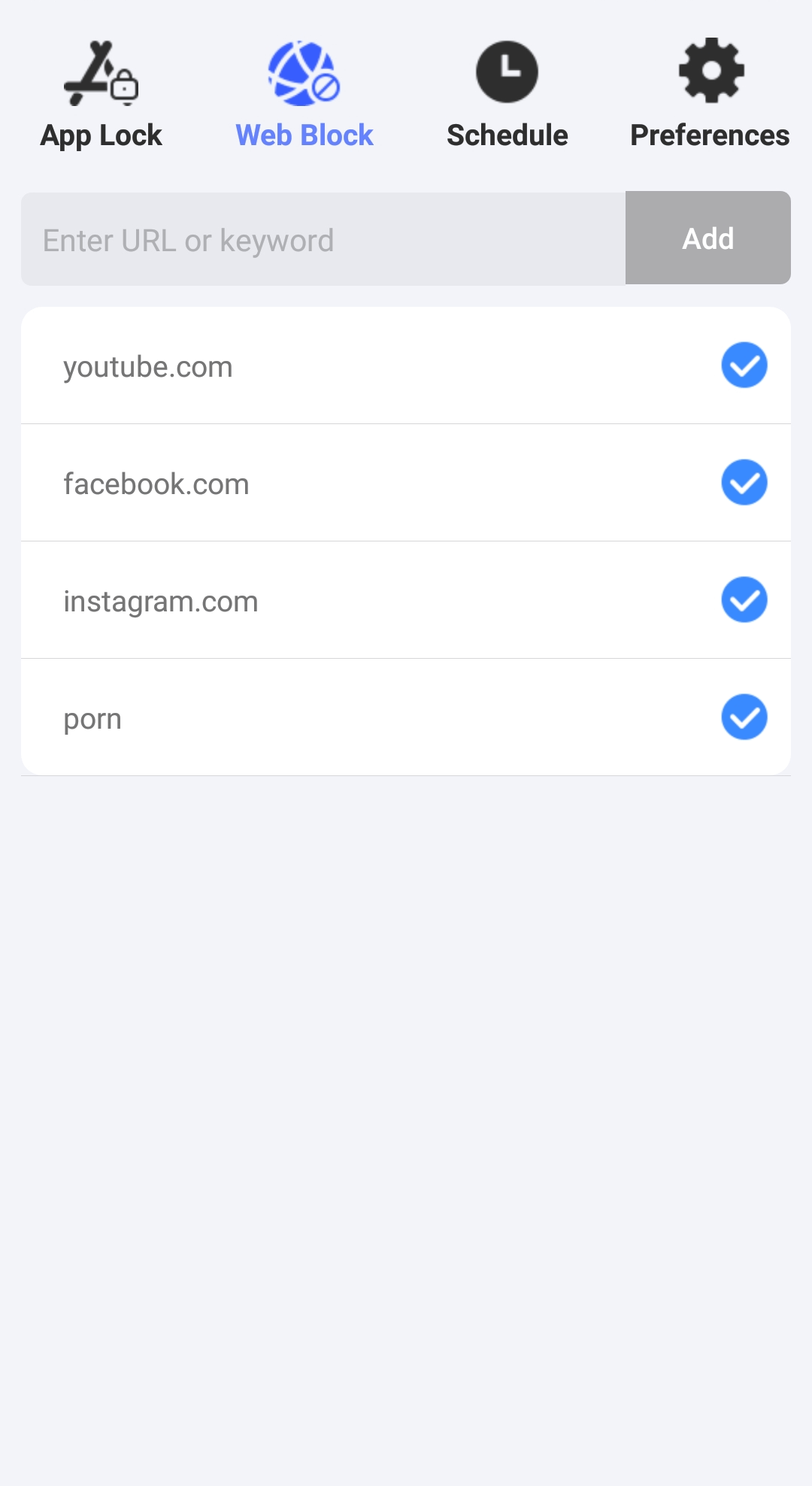
Step 3. Choose the Web Block tab.
Step 4. Type facebook.com and then tap the Add button.
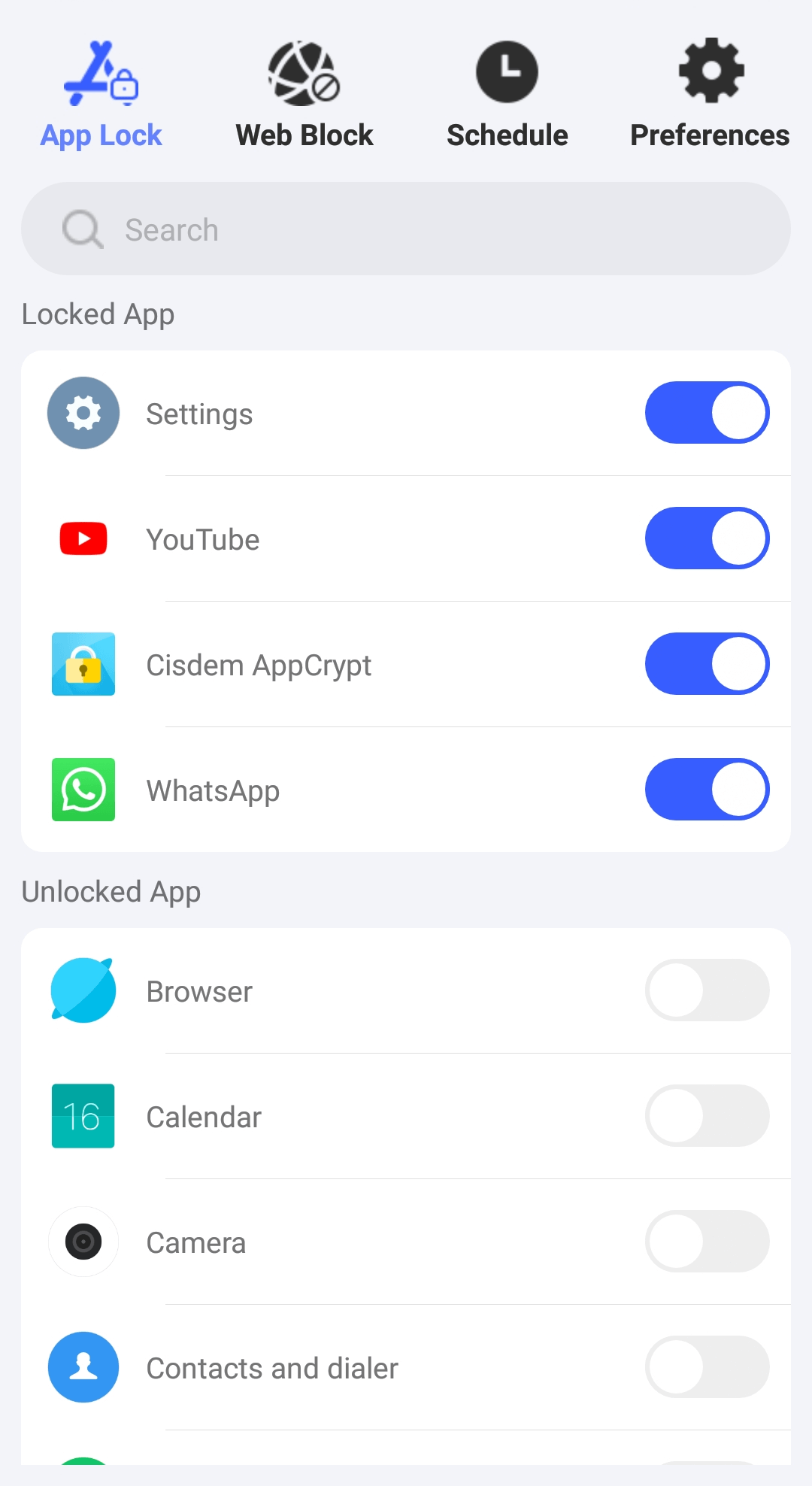
Step 5. Optionally, go to the App Lock tab, find the Facebook app, and then toggle the switch next to it to the on position.
By blocking to Facebook on Chrome, one can get benefits such as the following.
- Facebook is so addictive that sometimes we just can’t help but frequently checking notifications, interacting with friends or refreshing feeds. By blocking it, we can become more focused.
- Students tend to spend a lot of time on Facebook. According to a study, students who don’t use Facebook generally have higher grades than those who are addicted to it. By getting rid of such distraction, one will have more time available for study.
- Children are more vulnerable to online bullying and scams. By blocking or limiting access to Facebook and other social media, parents can help protect their kids from cyberbullying, hate speech and other issues.
Wrapping up
There are different methods available on how to block Facebook on Chrome on different devices. Some of them only work with Chrome, which is actually not enough in many situations. Tools like AppCrypt are more versatile and useful. In addition, you can also block websites on computer by editing hosts file in Terminal (on Mac) or Notepad (on PC). The method may not be suitable or easy enough for everyone, so it isn’t included in this guide.

Norah Hayes likes to share her tips on how to improve focus and stay motivated at work. She believes it is essential to eliminate all online distractions during work hours.

Ethan Long joined Cisdem in 2015 as a developer and now serves as the editorial advisor for Cisdem AppCrypt. He actively tests and uses Cisdem AppCrypt and other screen-time management tools to ensure AppCrypt meets its promises in real-world scenarios.